Private individuals, Podiatrists
Ingrown Toenail: Apply a Nail Brace or See a Podiatrist?
Complete guide to ingrown toenail treatment: causes, grades, nail brace vs. NiTi wire technique (orthonyxia) — step by step. Professional podiatry guidance for UK readers.
June 17, 2026
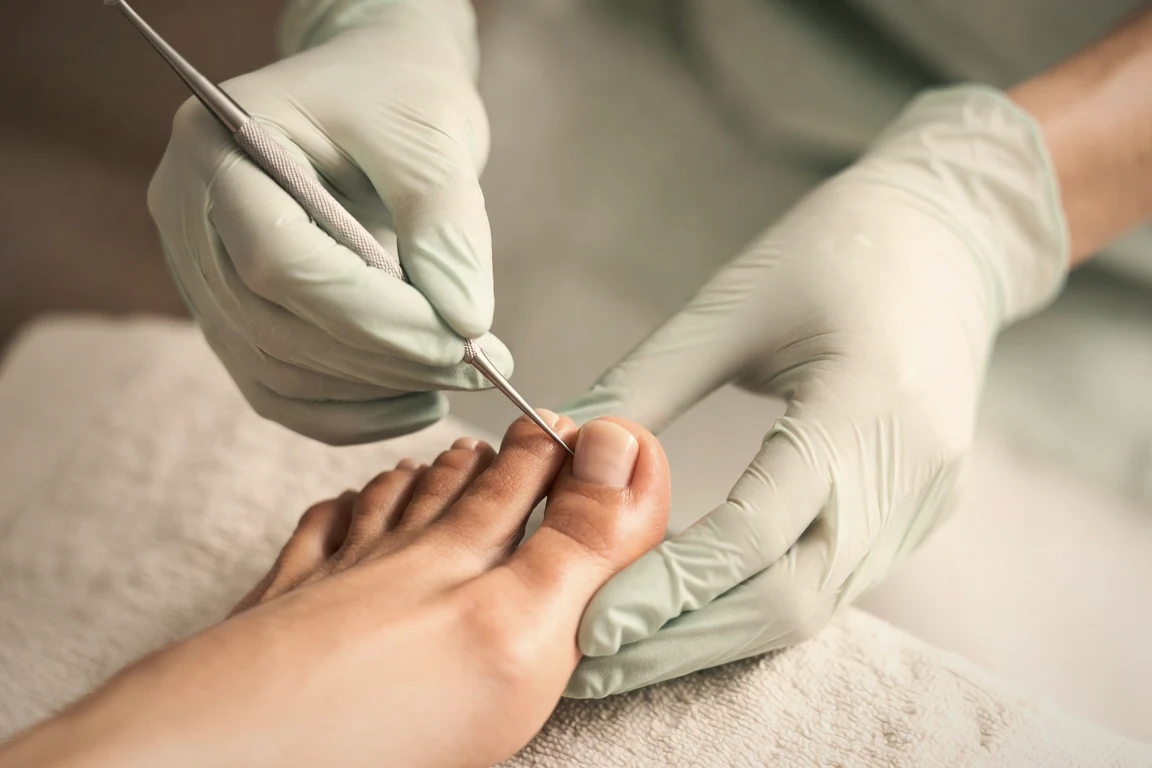
An ingrown toenail is more than a minor nuisance — it can cause severe pain, lead to infection, and become chronic without proper treatment. But how is an ingrown nail actually treated? When is a correction brace from a shop sufficient, and when must a podiatrist be consulted? This guide answers your questions — step by step.
What is an Ingrown Nail — and Why Does it Occur?
Medically, this is referred to as unguis incarnatus or a rolled nail. The nail edge grows laterally into the surrounding soft tissue of the nail fold — creating pressure, pain, and frequently an inflammatory reaction.
Common causes:
- Incorrect nail trimming (too short, rounded rather than straight)
- Footwear that is too tight, compressing the toe laterally
- Genetic nail shape (strongly curved or wide nails)
- Injuries or fungal infections that deform the nail plate
- Sweaty feet (softened nail fold yields more easily)
Grades of an Ingrown Nail — How Do I Assess the Severity?
Podiatrists generally distinguish three stages:
| Stage | Signs | Recommended Treatment |
|---|---|---|
| Grade 1 (mild) | Slight redness, pressure pain, no discharge | Nail brace / correction orthosis, change of footwear |
| Grade 2 (moderate) | Swelling, redness, secretion, early inflammation | Podiatrist: nail correction + professional brace technique |
| Grade 3 (severe) | Purulent wound, granulation tissue, severe pain | Urgent medical or podiatric attention; possible surgical partial nail removal |
Important: For Grades 2 and 3, and in cases of diabetes or peripheral circulatory disorders, always consult a physician or qualified podiatrist. These cases carry an elevated infection risk.
Treatment Methods at a Glance
1. Nail Correction Brace (Brace Technique)
The brace technique is the most common conservative method. An elastic brace is glued or clipped across the nail plate and exerts gentle corrective force through its spring tension on the nail curvature — pulling the nail edges upward and outward, away from the nail fold.
Types:
- Adhesive braces (e.g., VHO-Osthold, Onyfix-type systems): glass fibre or plastic fibre fixed to the nail with UV adhesive
- Hook/wire braces: metal brace clipped into the lateral nail grooves — no adhesive required
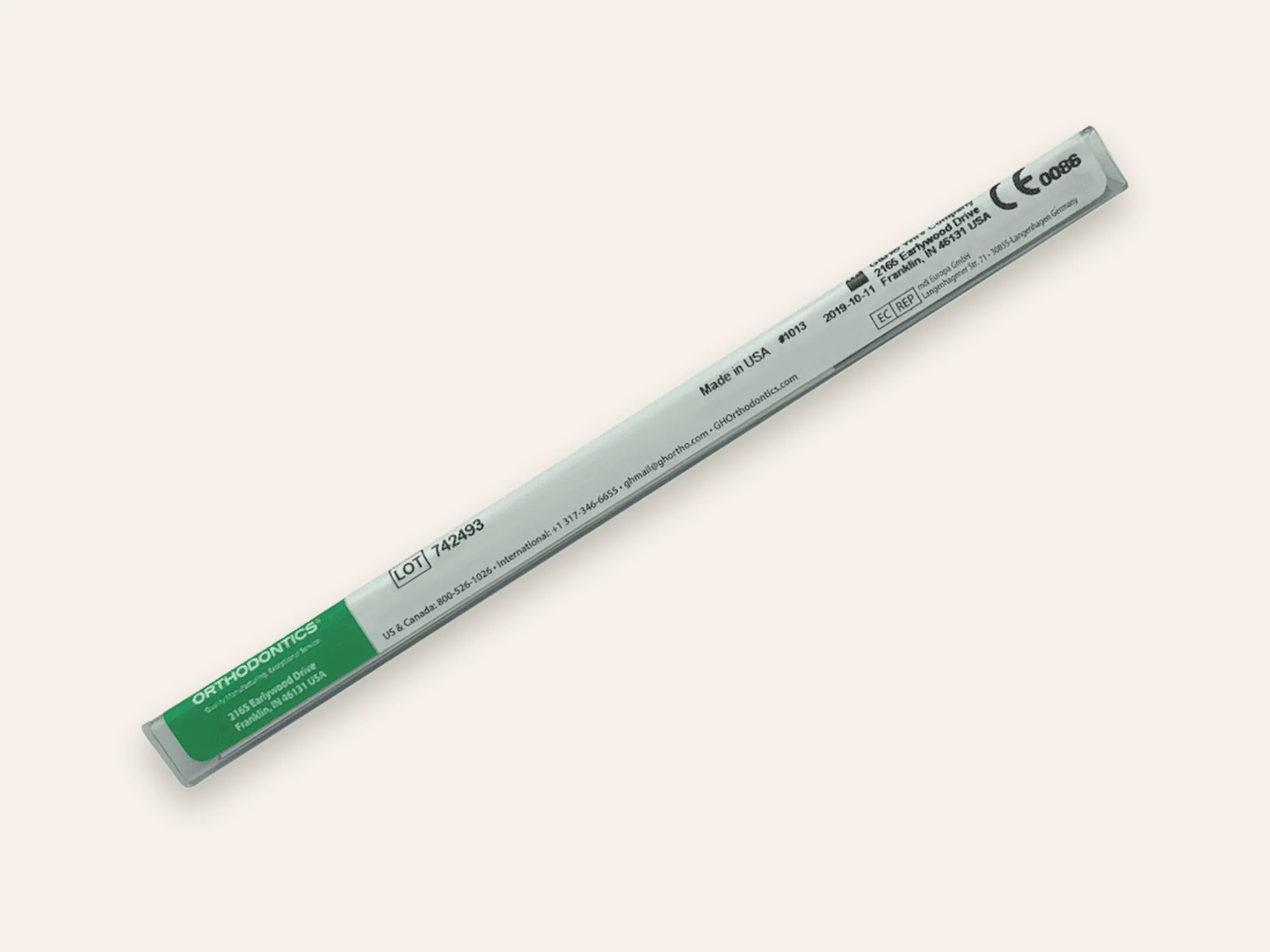
- NiTi wire (nickel-titanium): a fine, superelastic wire shaped with podiatry pliers and bent beneath the lateral nail edges. Very effective, cost-efficient, but requires technique and specialist pliers (onychoorthosis set)
Who can apply them:
- Adhesive braces: generally a podiatrist or trained beautician; simple pre-fabricated variants also suitable for experienced private users
- NiTi wire / hook system: podiatrist or beautician with onychoorthosis training; not recommended for private users (risk of injury during bending)
2. Onychoorthosis with NiTi Wire — the Professional Solution
Onychoorthosis (orthonyxia) is the gold standard among nail correction procedures. A thin nickel-titanium wire (NiTi) is shaped with specialist pliers so that it grips beneath the lateral nail edges and exerts continuous corrective tension on the nail plate.
Advantages over adhesive braces:
- No adhesive, no chemical risk
- Holds securely even with heavily sweating feet
- Can be weight-bearing immediately after application (no curing time)
- Very cost-effective for the practice: wire on a roll, many applications possible
What is required (professional onychoorthosis set):
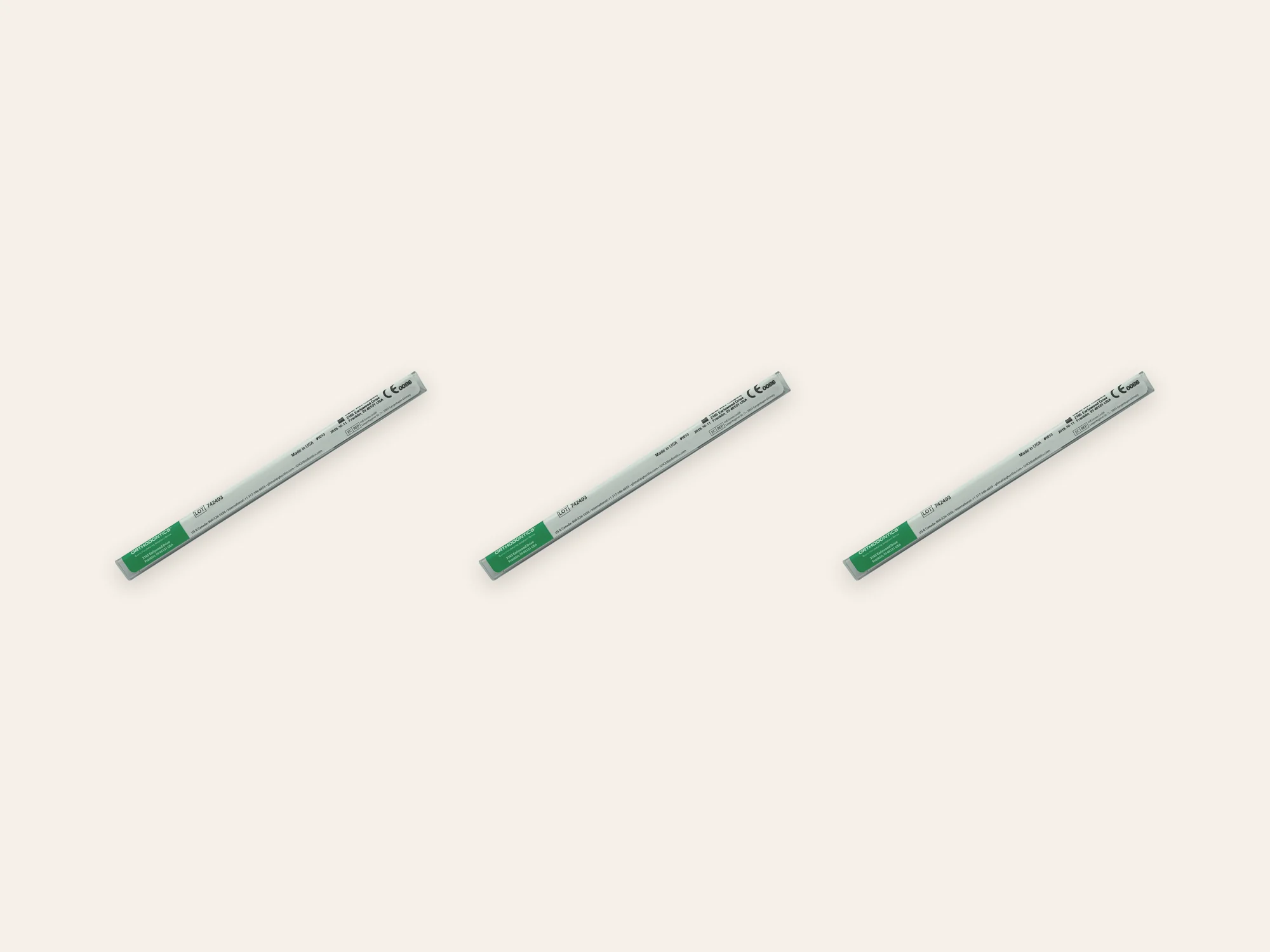
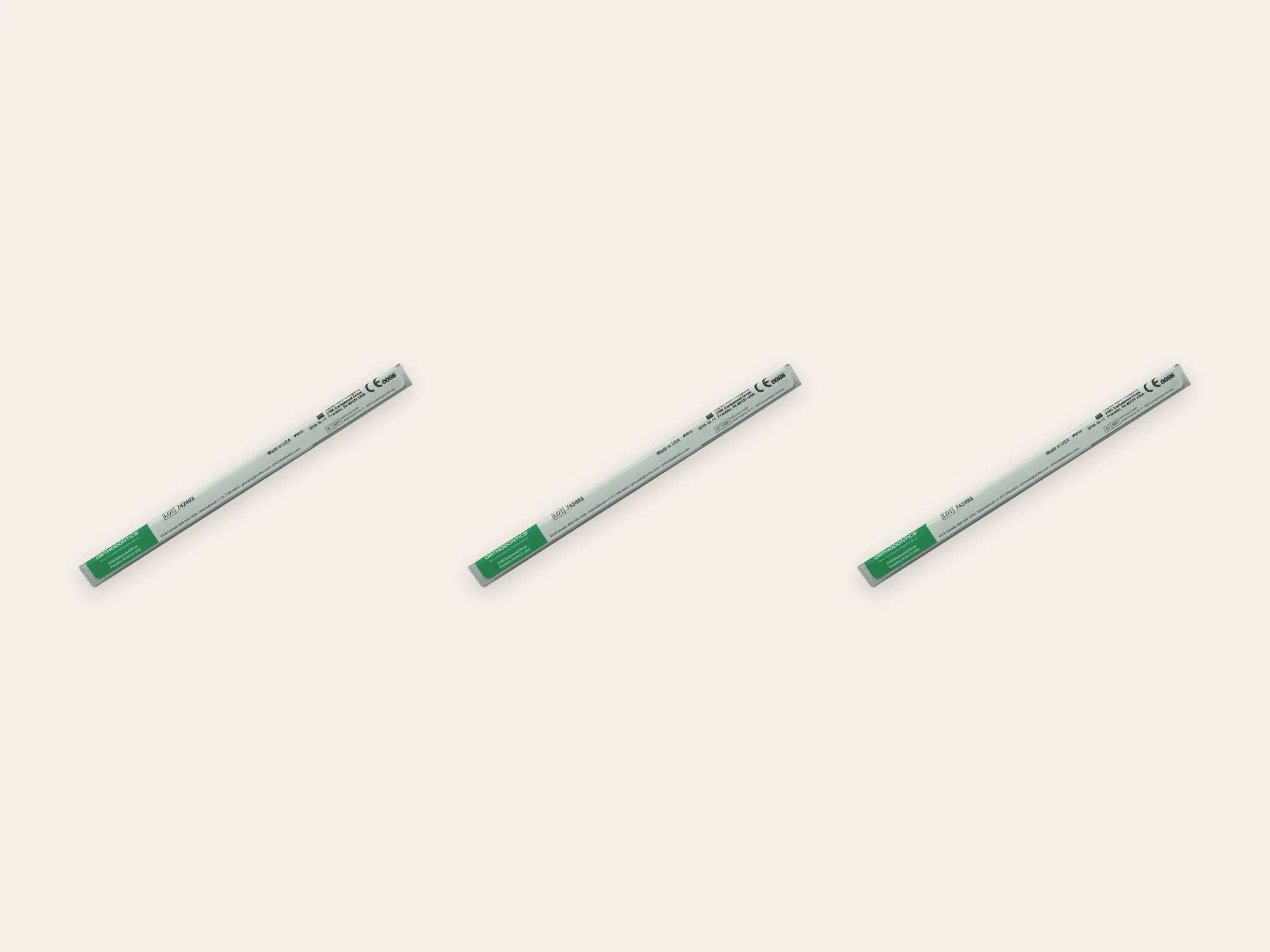
- NiTi wire (diameter 0.14 mm or 0.20 mm depending on nail thickness)
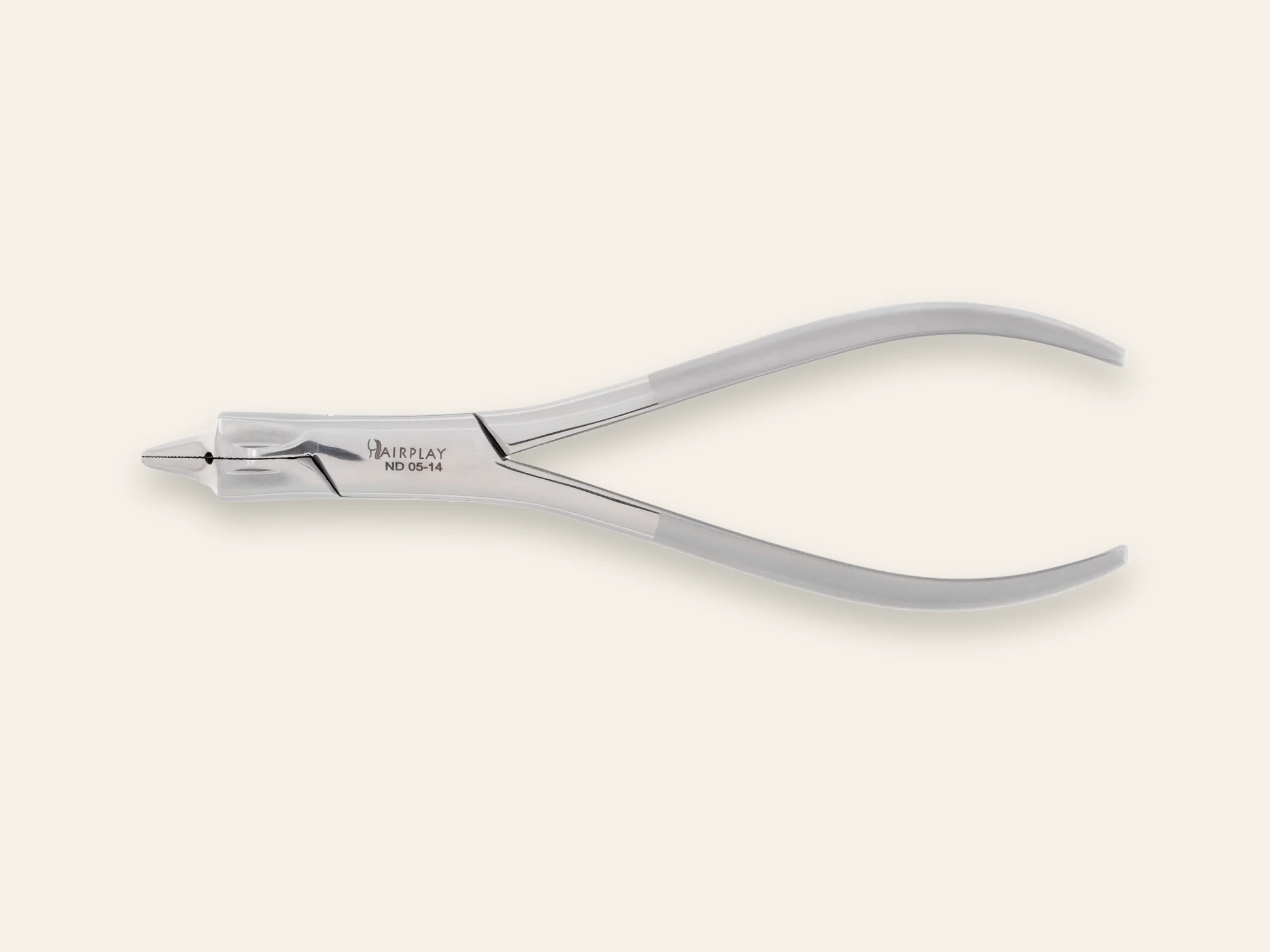
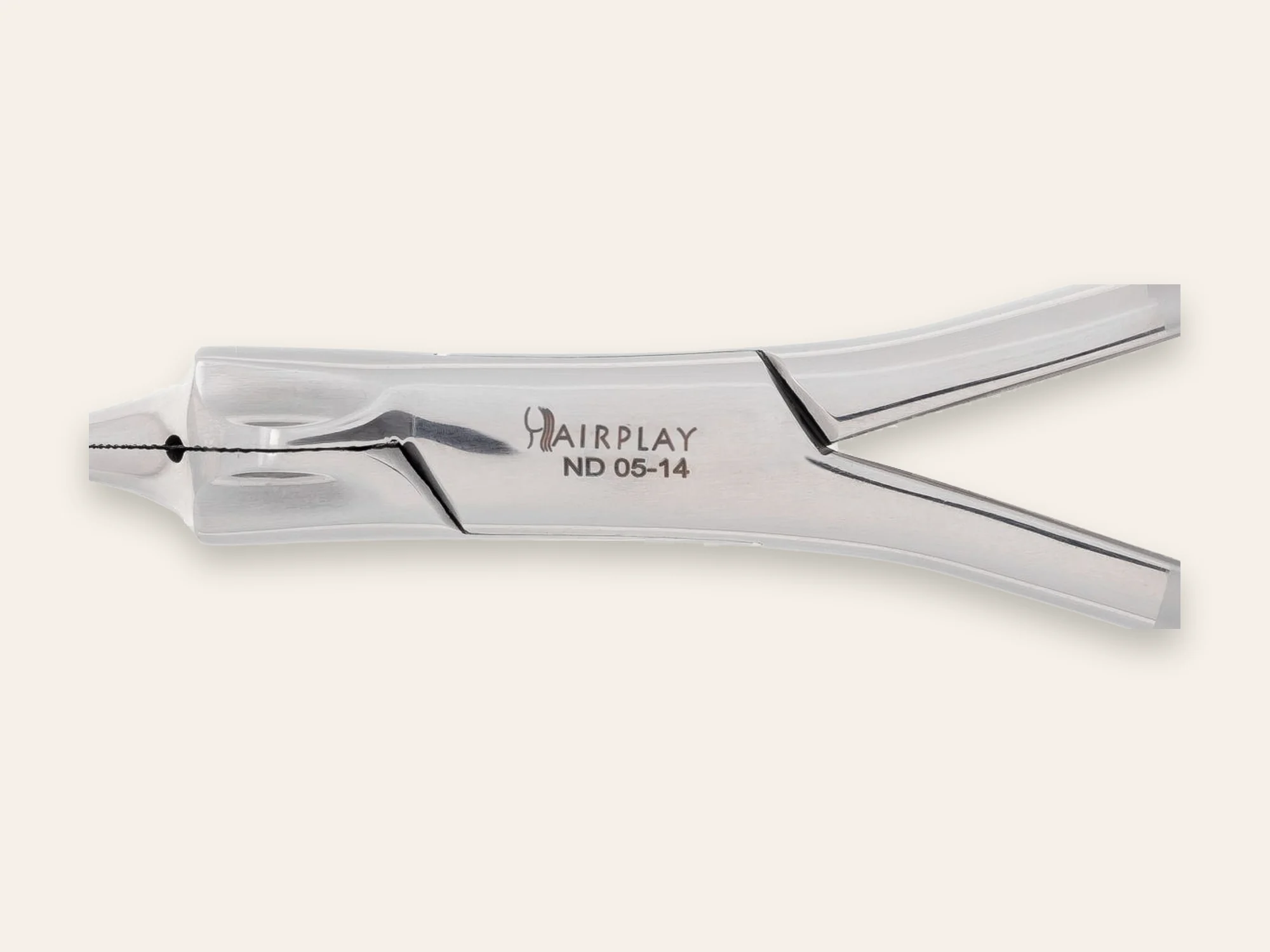
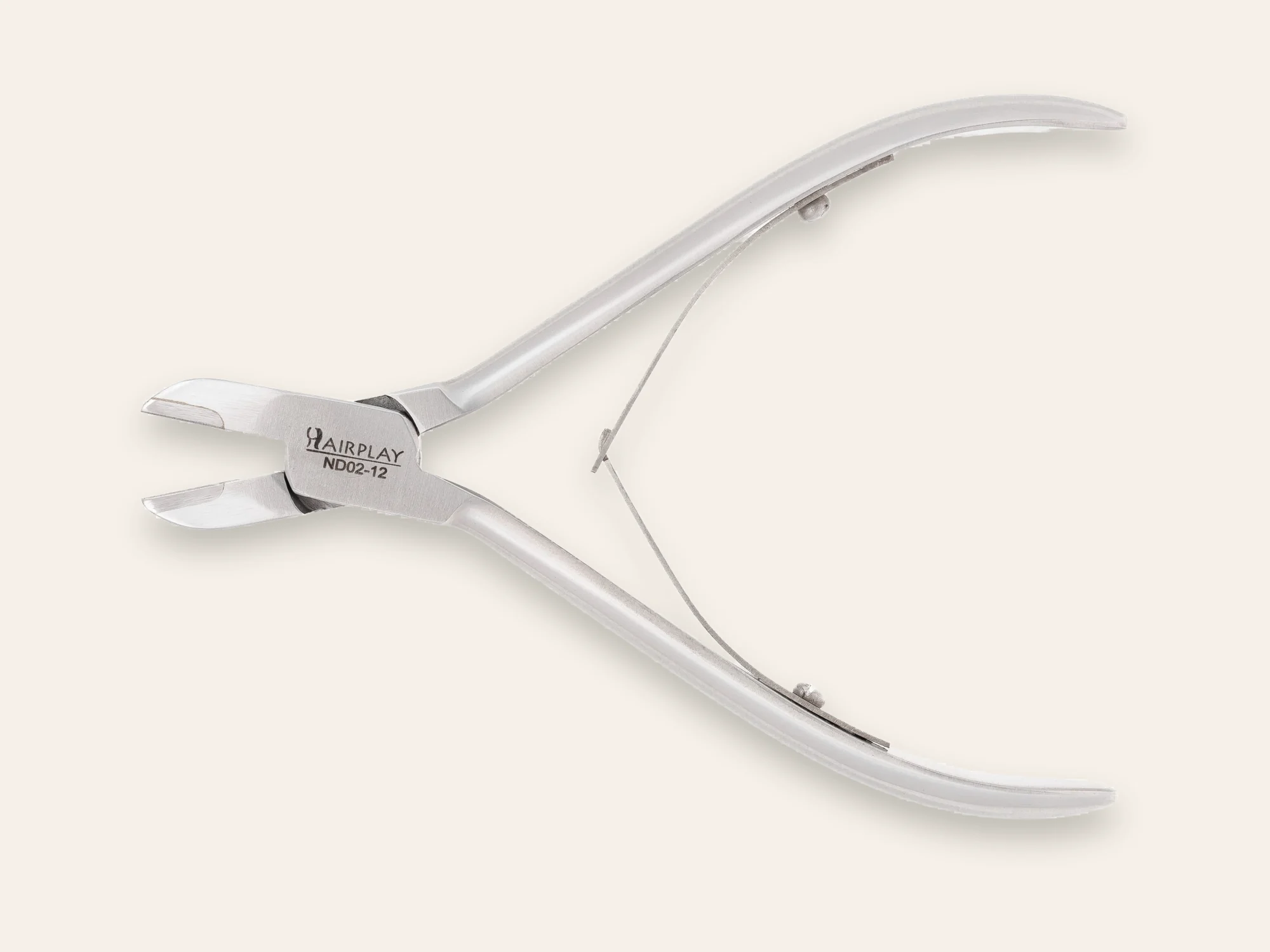
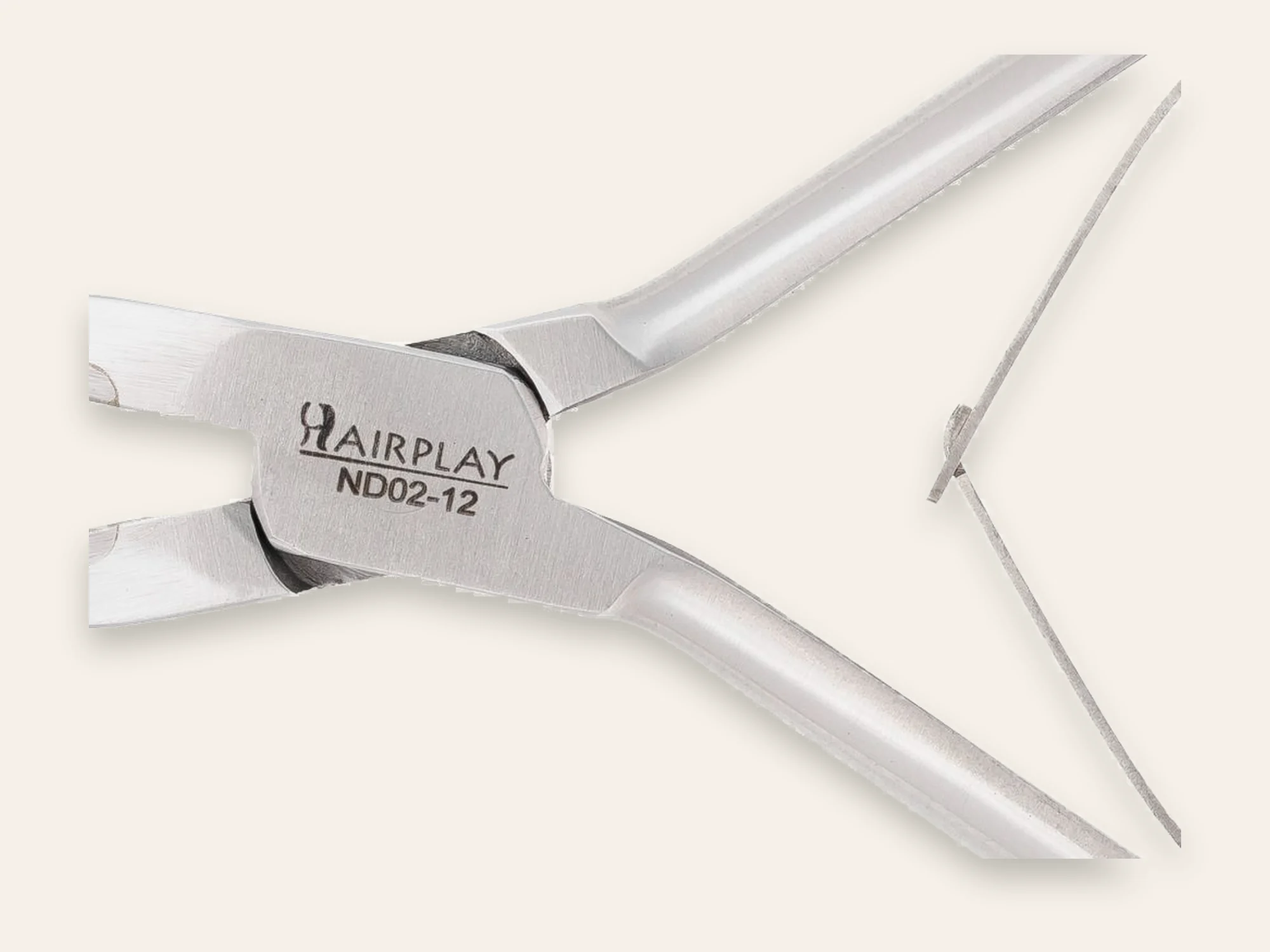
- Cutting pliers (ND type): for clean wire cutting without pressure deformation
- Half-round bending pliers (Delfin form): for the gentle arc at the wire end
- Round/Rekinki bending pliers: for the final form closure
- Optional: hook pliers / applicator for inserting beneath the nail edge
Our onychoorthosis pliers from the Hairplay line are made from surgical steel, autoclavable, and specifically designed for NiTi wire 0.14–0.20 mm. The Starter Set “Onychoorthosis Pro” includes cutting pliers, Delfin bending pliers, and round pliers — everything needed for the first treatments.
3. Surgical Intervention (Partial Nail Removal)
For severely ingrown nails with chronically inflamed nail folds, a physician (surgeon, dermatologist) may perform an Emmert procedure or partial nail matrix ablation. This is generally a Grade 3 indication or when conservative methods fail.
Step-by-Step: Applying a Nail Brace (for Mild Cases, Private Users)
For Grade 1 cases without signs of inflammation, private individuals can apply a nail correction brace themselves. Here is how:
What you need:
- Pre-fabricated nail correction brace (hook principle) in the correct size
- Disinfectant (spray; avoid high alcohol concentration before gluing)
- Nail file to prepare the nail plate
- Optional: glass fibre filler for brittle nails
Procedure:
- Wash and dry the foot — the nail must be completely dry
- Matt the nail surface with a fine file (only for adhesive braces)
- Fit the brace: check the width, trim if necessary
- Hook in: push both ends of the brace beneath the lateral nail edges — press from the centre outward
- Check the fit: the brace should sit firmly but cause no pain
- Check every 4–6 weeks: the nail grows out — the brace must be readjusted. Nail correction takes 3–12 months depending on initial condition
When to see a podiatrist without delay:
- If application is painful or the brace does not sit correctly: STOP
- Any inflammation, swelling, or discharge → Grade 2+, professional help required
- In cases of diabetes, neuropathy, or peripheral arterial disease
Which Nail Brace is Right? A Comparison of Systems
| System | How it works | Applicable by | Clinic cost | Durability |
|---|---|---|---|---|
| VHO-Osthold type | Steel brace + UV adhesive pads | Podiatrist | €15–35 per application (material) | 6–8 weeks |
| Onyfix / adhesive brace | Glass fibre strip + UV adhesive directly on nail | Podiatrist / trained beautician | €20–50 per application | 4–6 weeks |
| NiTi wire orthosis | Shape-memory wire, bent and hooked in | Podiatrist (onychoorthosis training) | €5–15 material cost, labour €40–80 | 4–8 weeks |
| Pre-fabricated hook brace (pharmacy/online) | Pre-shaped hook brace in plastic/steel | Private individual (Grade 1) | €8–20 per set | 4–6 weeks |
System comparison conclusion: For practices, the NiTi wire is the most economical and flexible solution — an inexpensive wire on a roll (from €35 for many applications) combined with a one-time investment in quality pliers. For patients, a visit to the podiatrist is usually less costly than treating the complications of a neglected case.
Prevention: How to Avoid Ingrown Nails
- Cut nails straight, not too short — leave the corners slightly raised
- Wear appropriate footwear (toes should have room)
- Wash and dry feet daily, especially between the toes
- If prone to ingrown nails: regular podiatric check-ups (every 8–12 weeks)
- Never attempt self-surgery on ingrown corners — this promotes recurrence and infection
Health Insurance Reimbursement: What is Covered?
In Germany, podiatric treatment of ingrown nails is prescribable as a therapeutic measure if a physician issues a remedial treatment prescription (Heilmittelkatalog position “Podologische Komplexbehandlung”). Health insurance coverage generally includes the treatment itself, but not brace materials. Check with your health insurer or a local podiatrist for details.
Our Recommendation
For private individuals with mild inrolling (Grade 1), a good nail correction brace is a viable immediate solution — but check with your podiatrist at the next visit whether your nail type is suitable for self-application.
For podiatrists and foot care professionals wishing to expand their practice with onychoorthosis treatment, we offer the complete Hairplay Onychoorthosis Starter Set: NiTi wire 0.14 mm + cutting pliers + Delfin bending pliers + round pliers — from surgical steel, autoclavable.
Further reading: