Podiatrists
Nail Bracing: NiTi Wire vs. Adhesive Brace — Which Method for Ingrown Nails?
Nail brace for ingrown nails: NiTi correction wire vs. adhesive brace system (orthonyxia) — indications, costs and technique compared for podiatrists and foot care professionals.
June 17, 2026
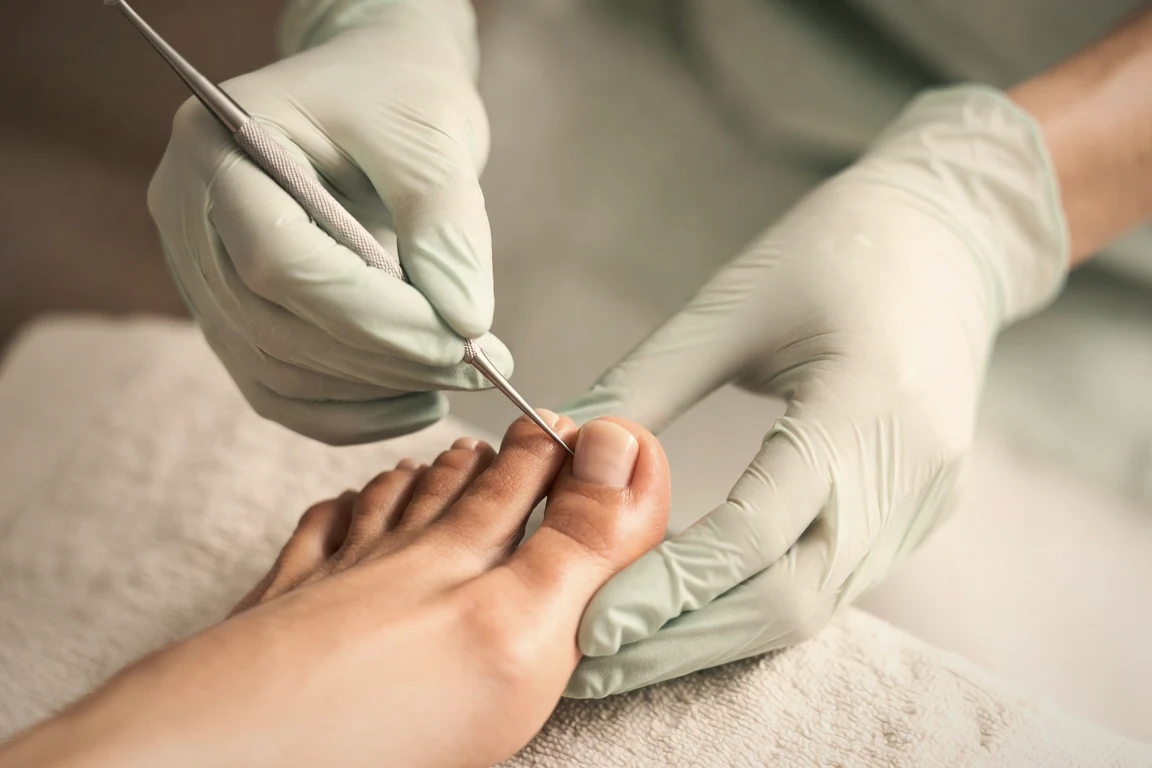
Nail bracing — the corrective treatment of ingrown, rolled, or deformed nails — offers two fundamentally different technical approaches: the wire system and the adhesive brace system. Both methods have their justification, but differ considerably in technical complexity, material costs, durability, and breadth of indication.
What Both Methods Have in Common
Regardless of the system, the goal is the same: through continuous, defined tension on the nail plate, the pathological curvature of the nail is corrected over weeks to months. The body responds by the nail matrix adopting the new growth pattern — ideally leading to permanent correction without further intervention.
Prerequisites for both methods:
- Adequate nail substance (at least 2–3 mm free edge)
- No active infection or open wound at the nail fold (treat first, then correct)
- Patient consent and realistic expectations regarding treatment duration (3–12 months)
Method 1: NiTi Wire Correction
How it Works
A thin nickel-titanium wire (NiTi, 0.14–0.20 mm) is shaped with specialist pliers and bent beneath the lateral nail edges. The superelastic properties of the material provide constant, gentle corrective tension throughout the wearing period — without fatigue fracture or loss of corrective force.
Required Instruments
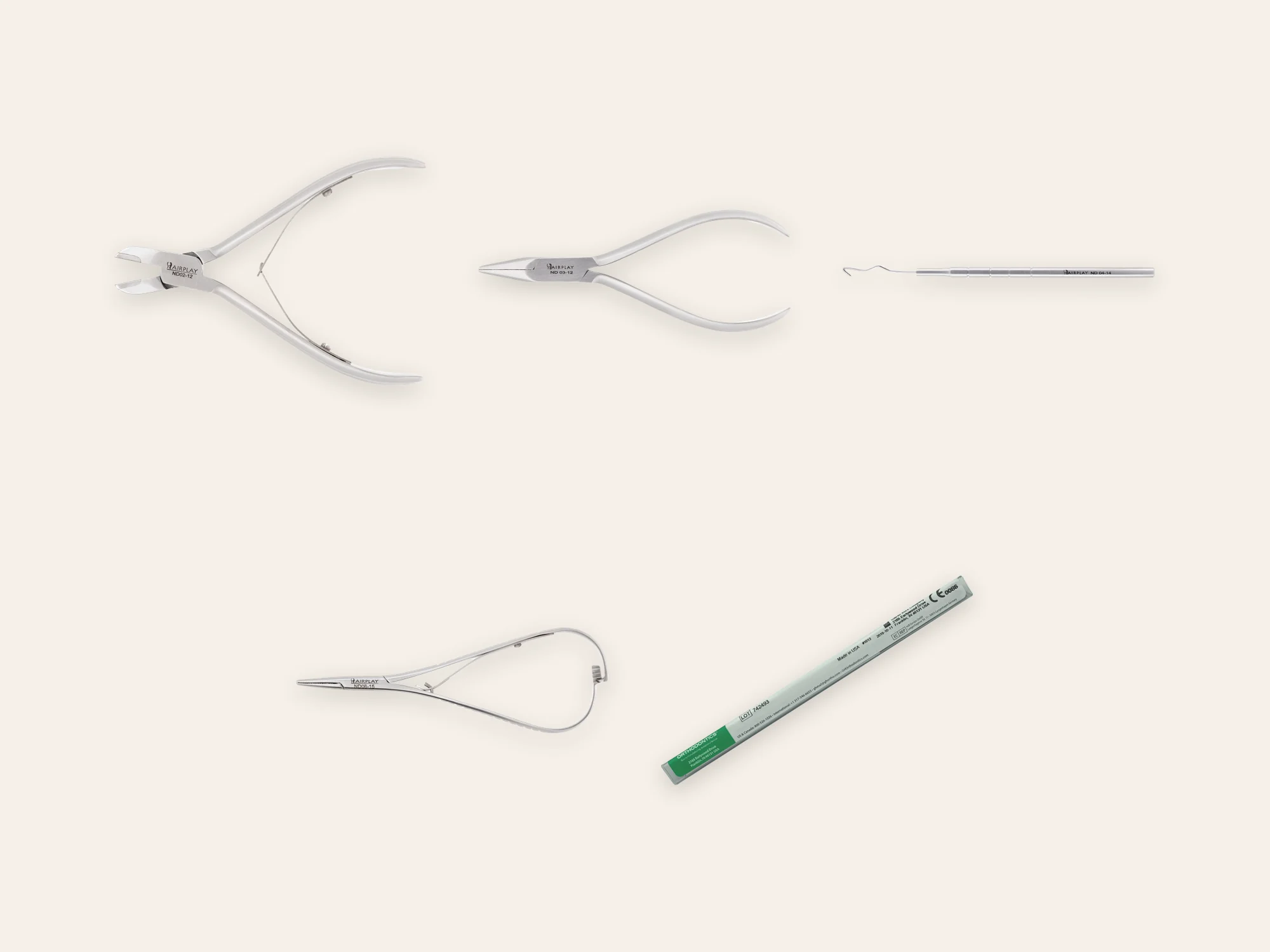
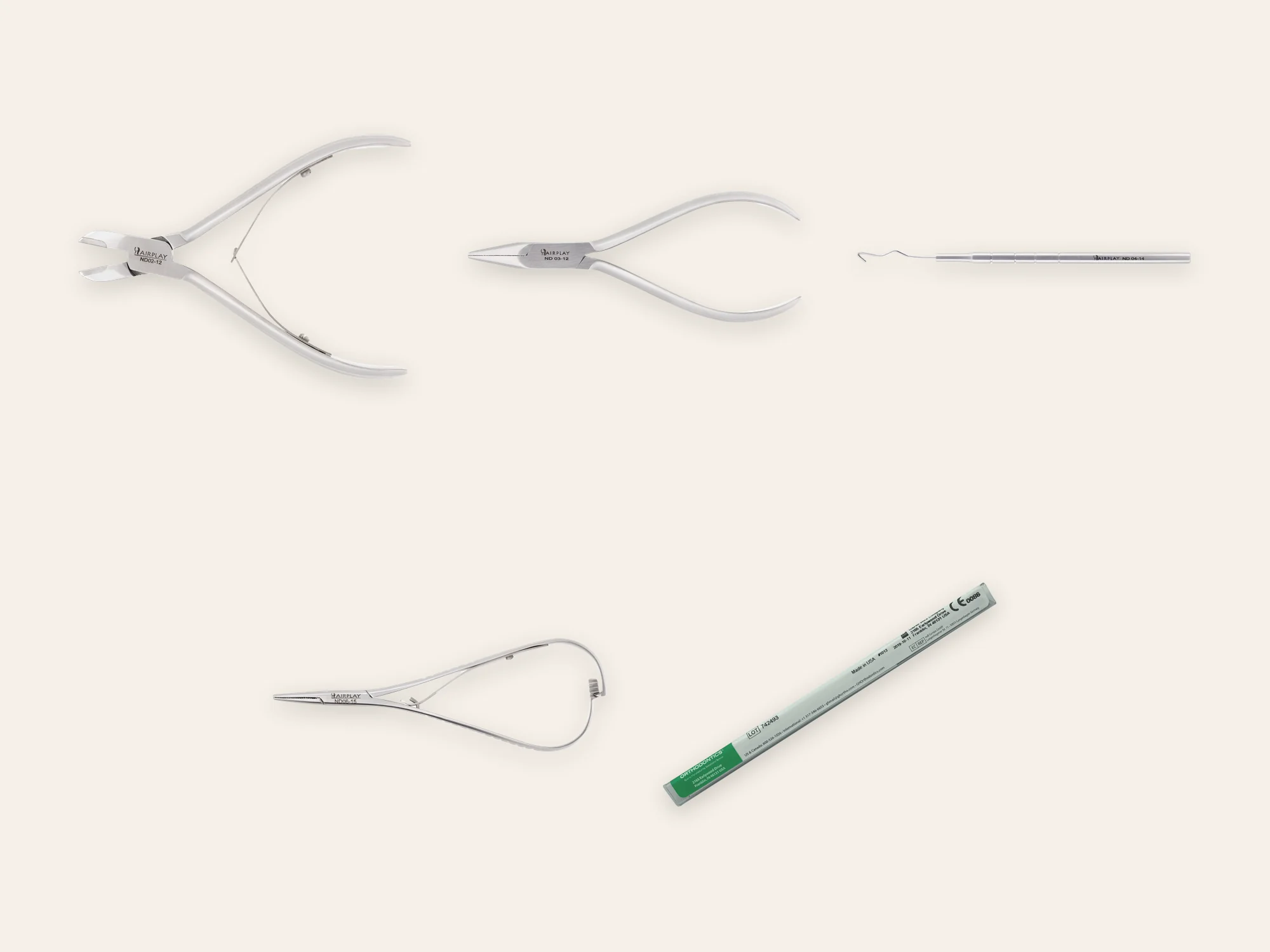
Three specialist pliers are required for correct application:
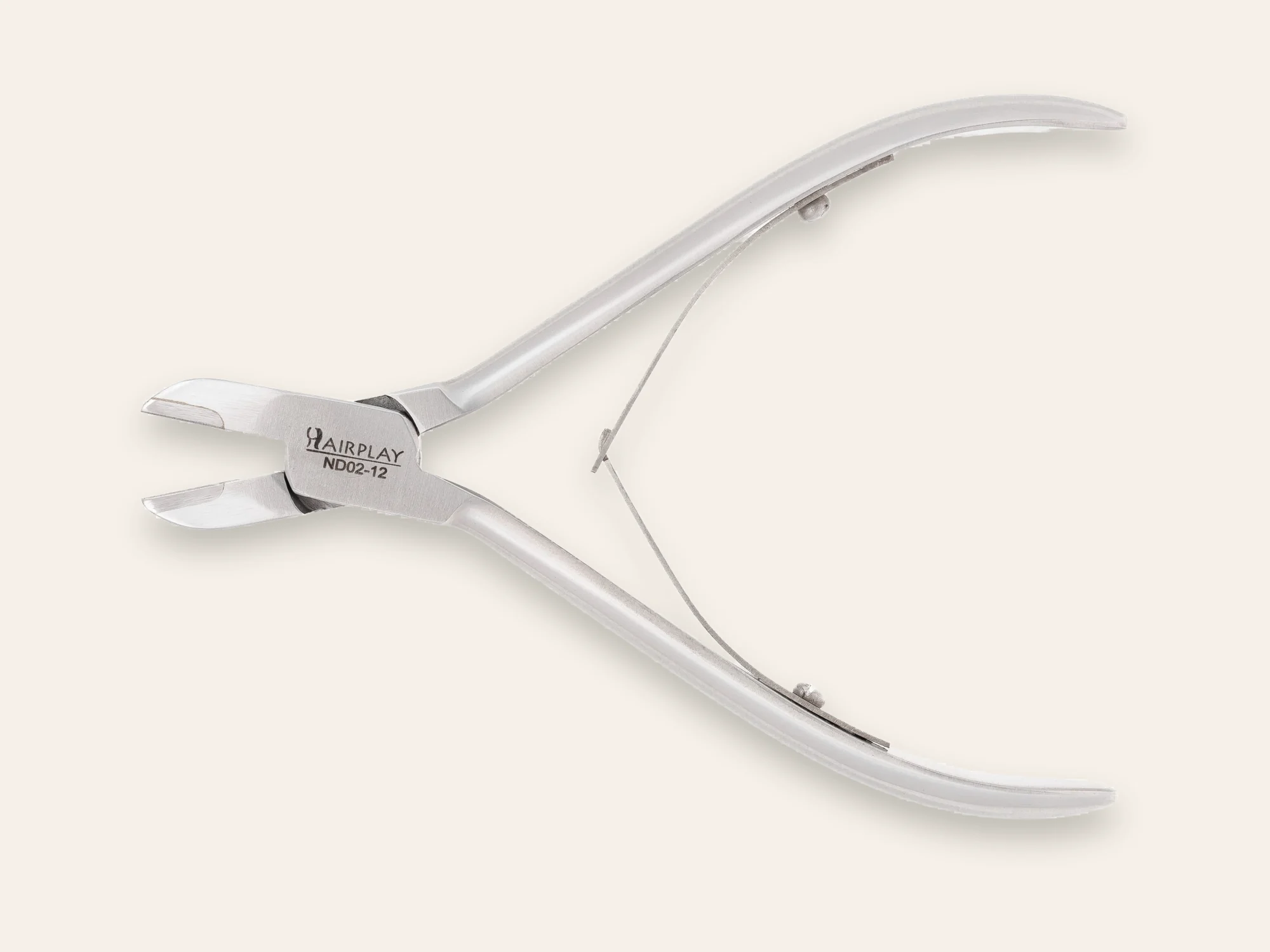
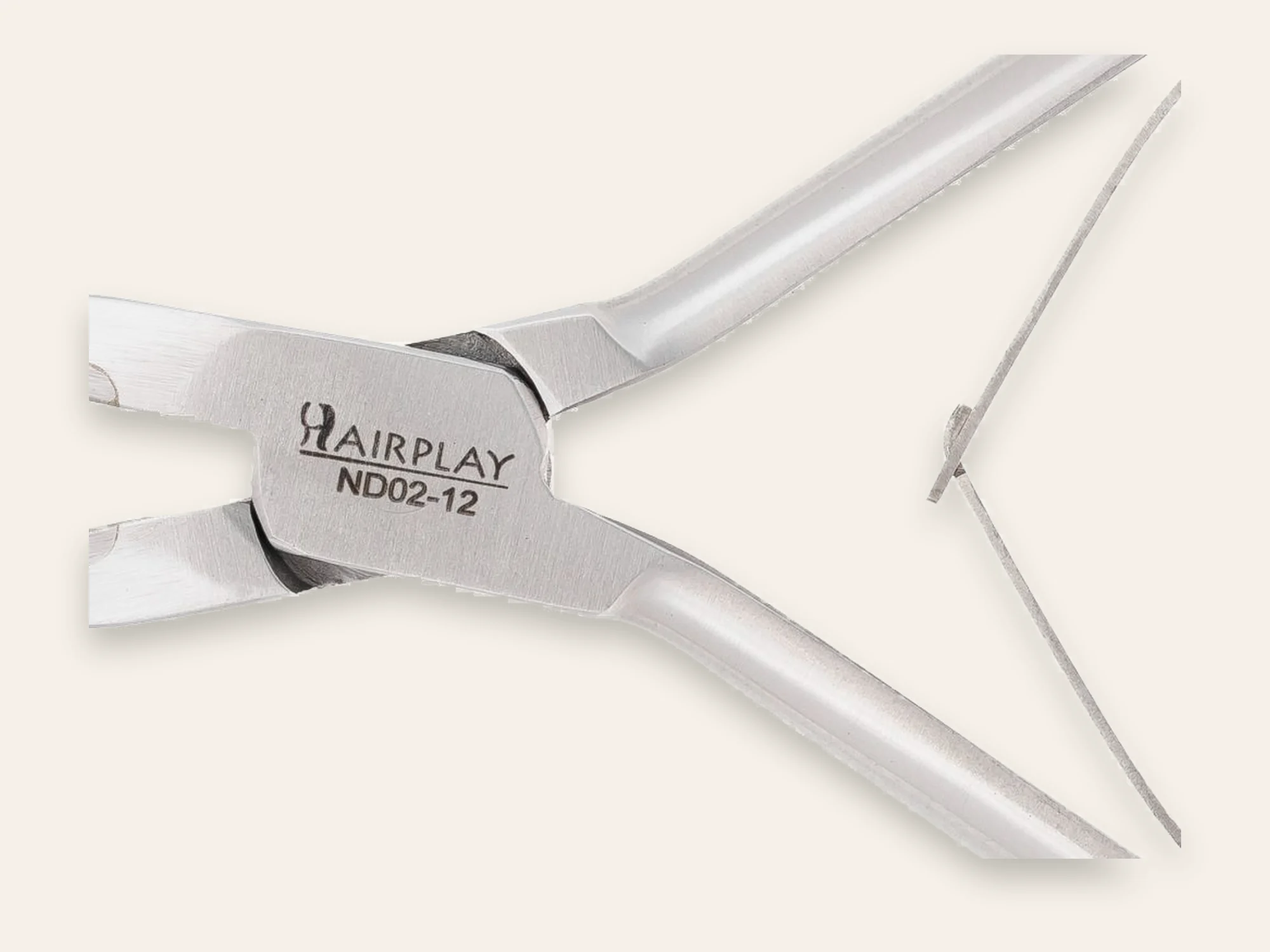
- Wire cutting pliers (ND 02-12): precise severing of the wire without pressure deformation of the ends — a crushed wire end cannot be cleanly inserted beneath the nail edge.
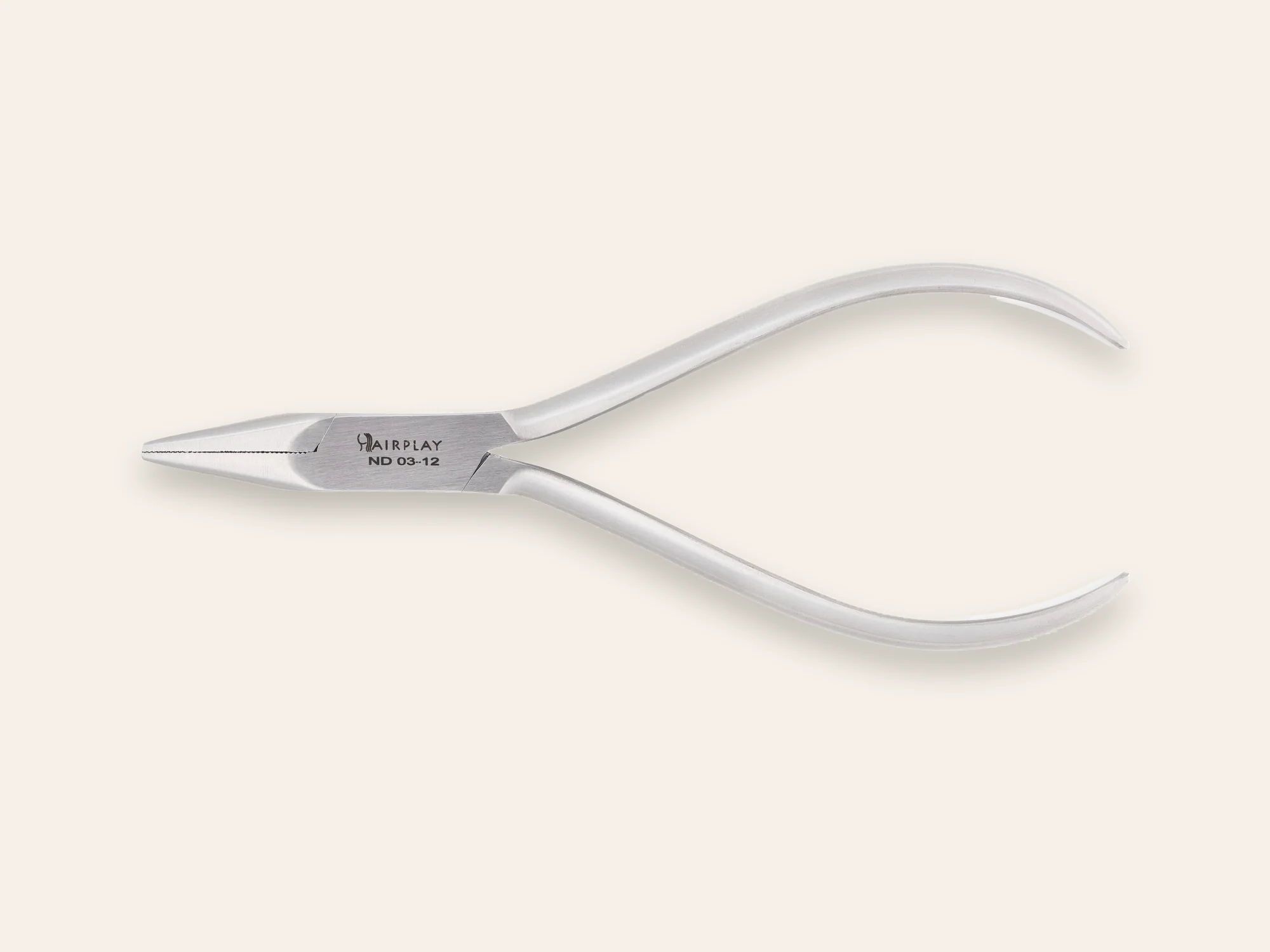
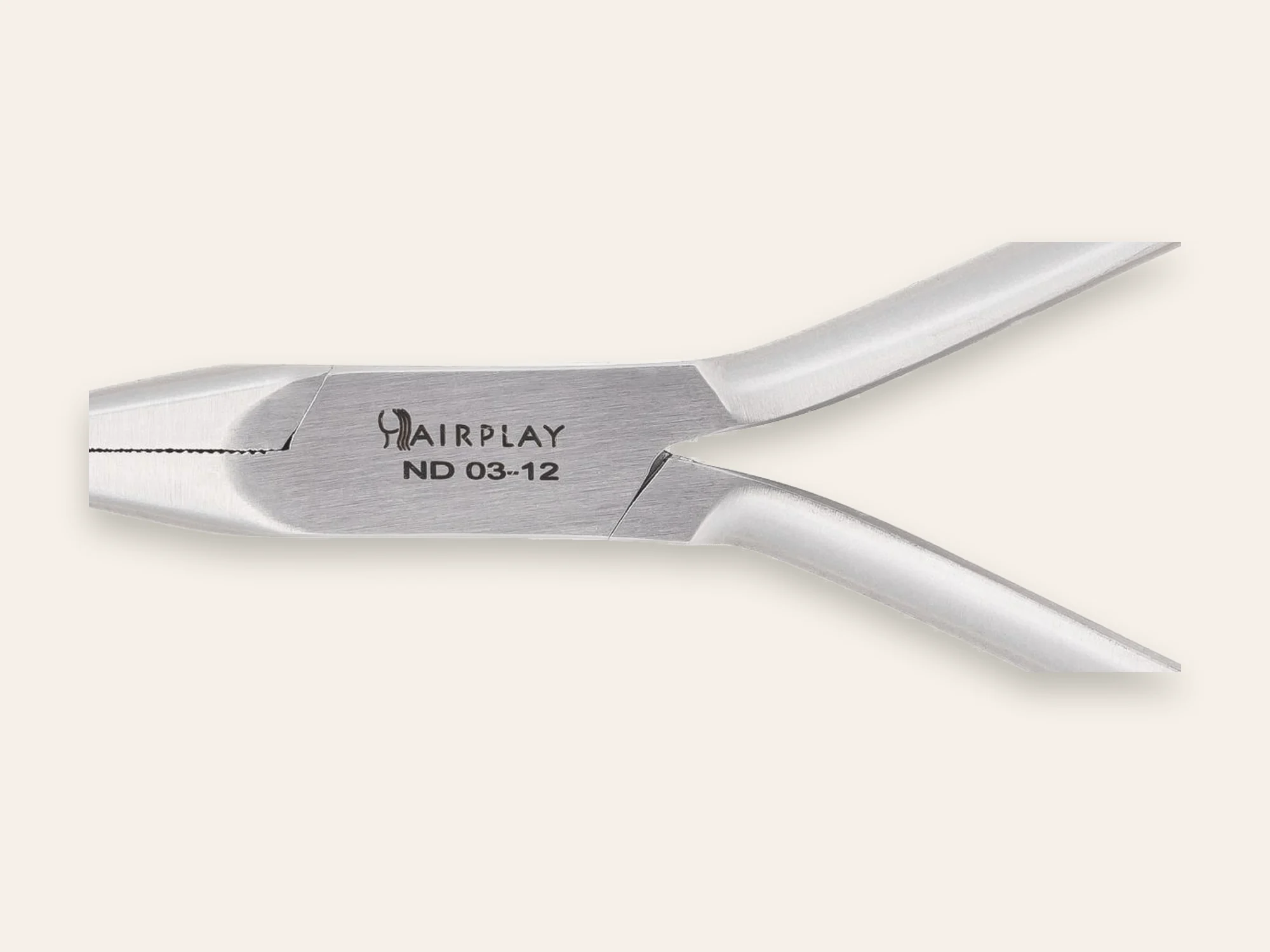
- Half-round bending pliers (ND 03-12): forming the correction arcs on the wire. The half-round jaw geometry produces uniform curves without kinks.
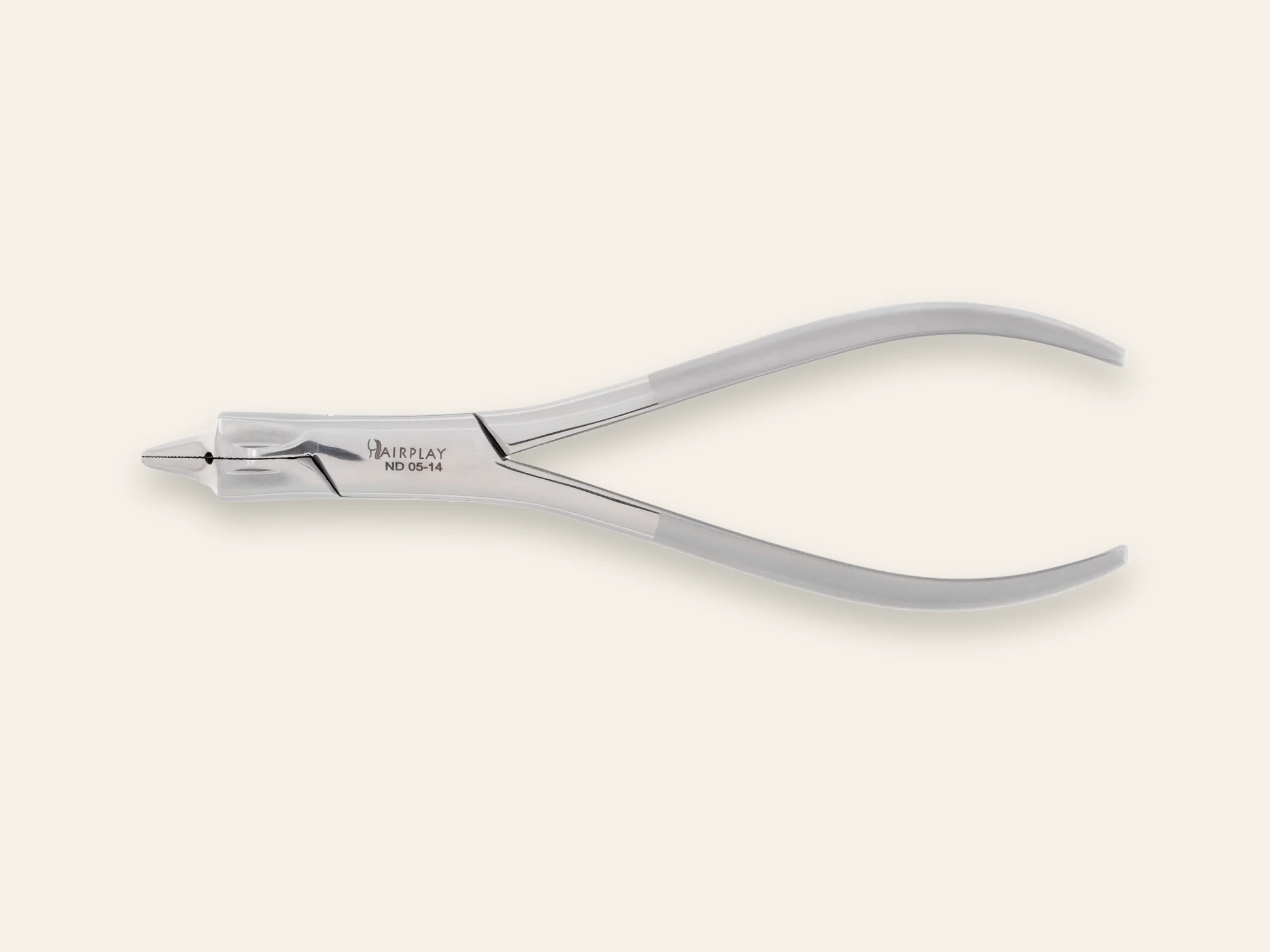
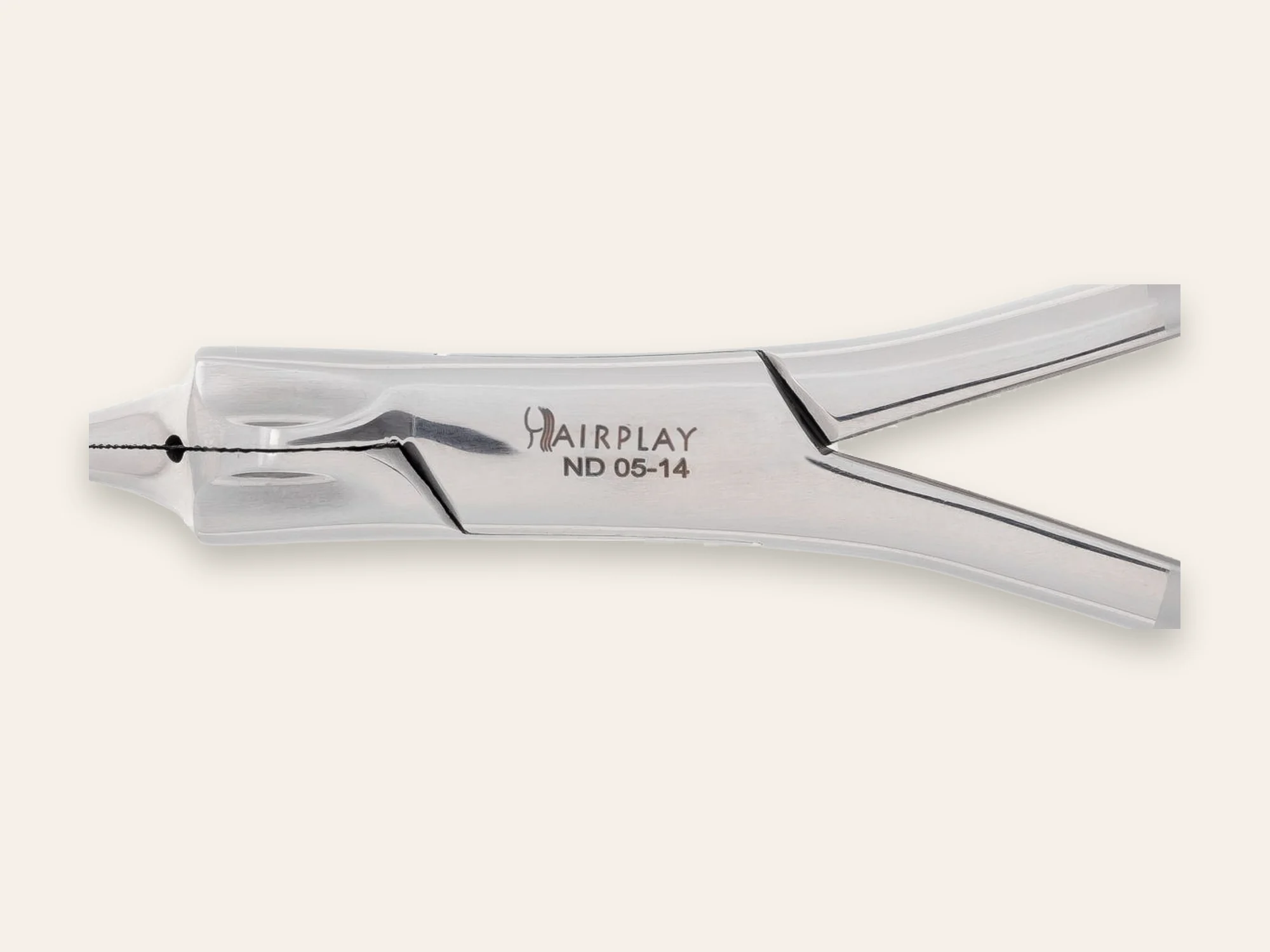
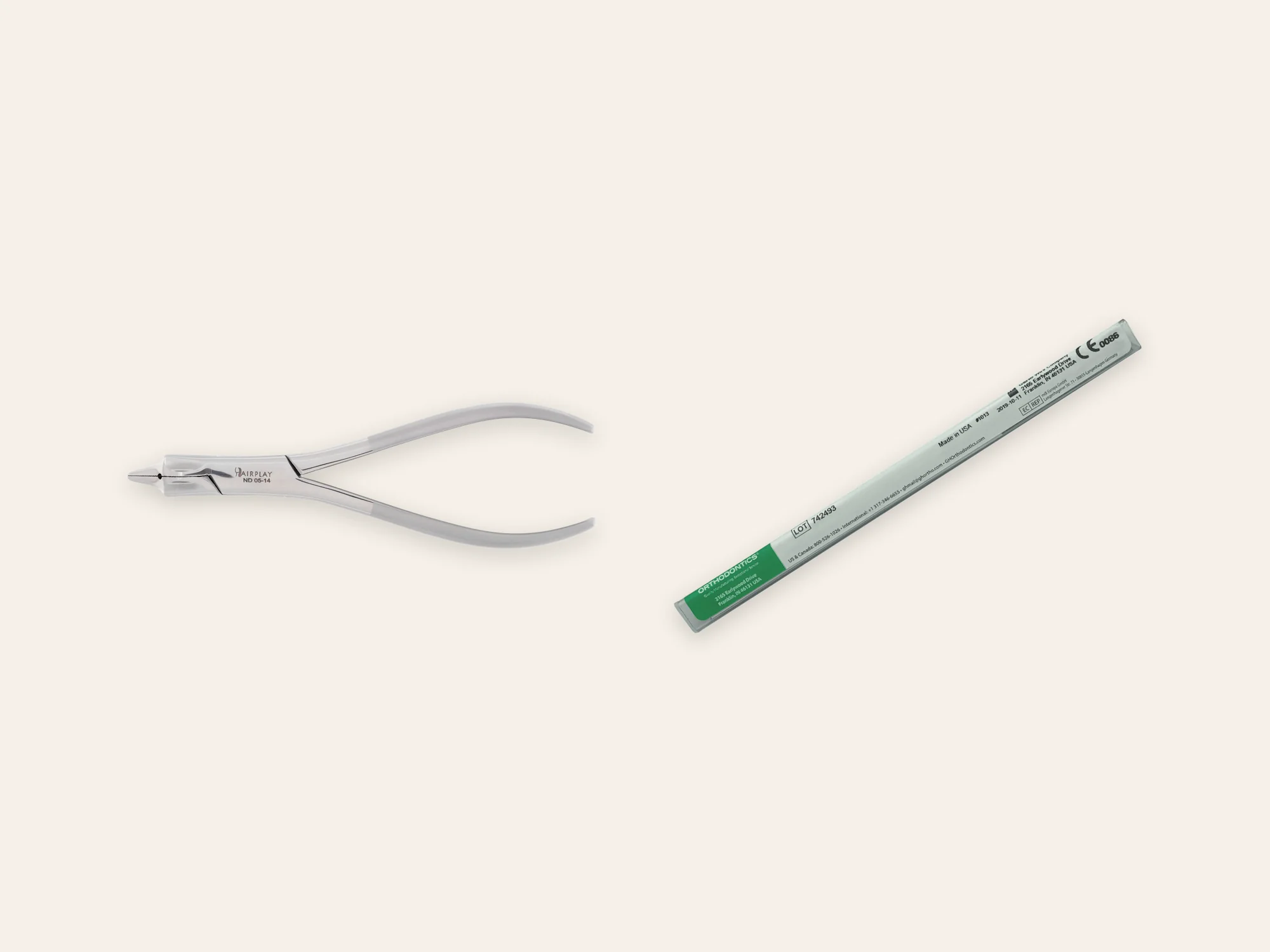
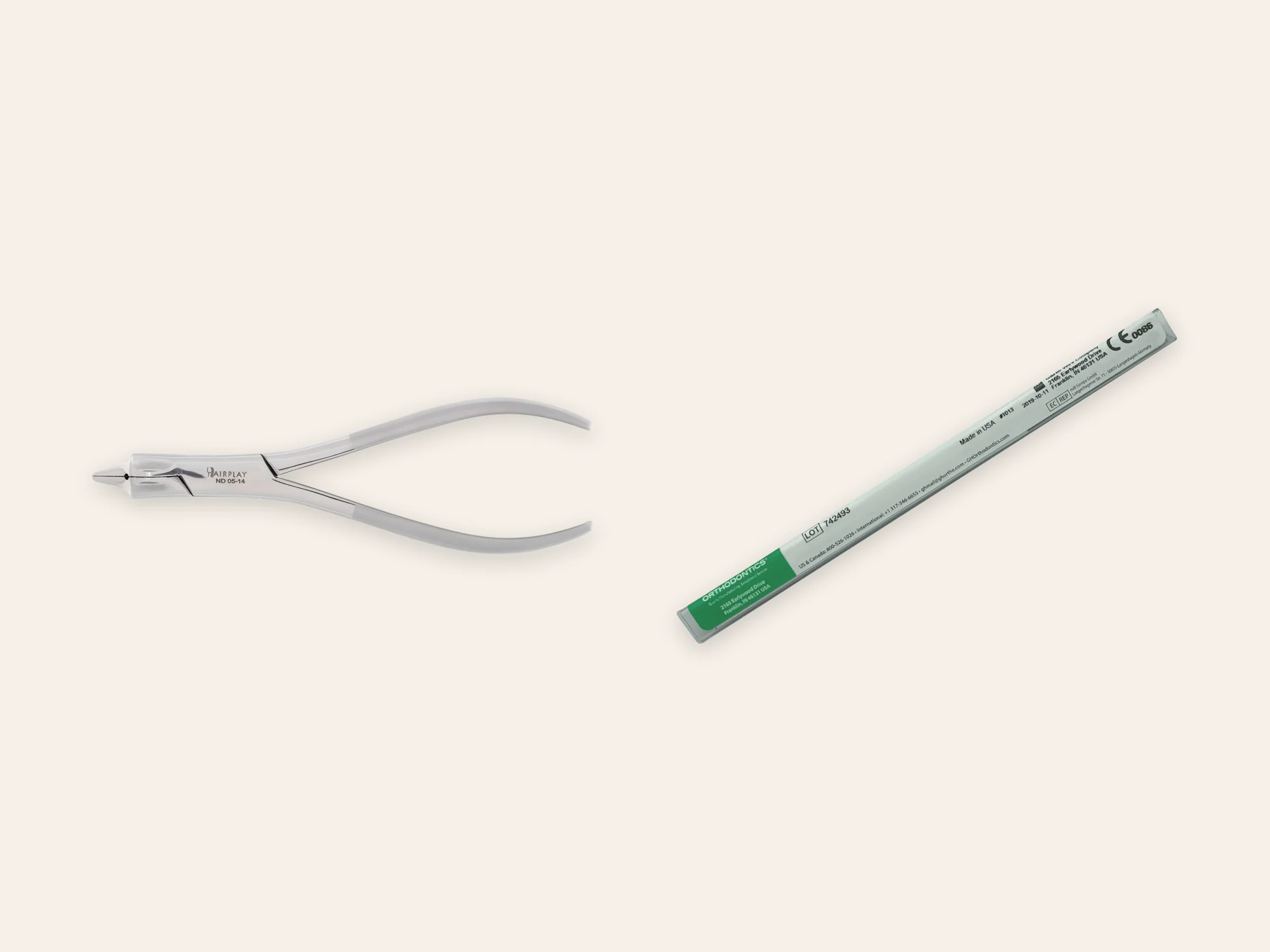
- Onychoorthosis Delfin Pliers (ND 05-15): the Delfin form developed specifically for nail fold access grips securely beneath the ingrown edge without traumatising the surrounding tissue.
The complete Onychoorthosis Starter Set ND + NiTi Wire contains all necessary instruments for entry into wire correction — matched to each other, 15% less expensive than individual purchase.
Material Properties of NiTi
| Property | NiTi wire | Steel wire (for comparison) |
|---|---|---|
| Superelasticity | yes | no |
| Shape memory | yes (body temperature) | no |
| Fatigue fracture | very low | possible with tight bends |
| Corrective force | constant throughout wearing period | decreases (material relaxation) |
| Biocompatibility | very good | good |
| Autoclavability | 134 °C | 134 °C |
The NiTi Correction Wire 0.14 mm is the standard diameter for most correction cases. 0.20 mm is used for very thick, flat nails or pronounced convexity.
When NiTi Wire is Particularly Suitable
- Nails with adequate substance and a freely accessible nail edge
- Patients with heavily sweating feet (wire holds securely without adhesive)
- High treatment volume in the practice (wire from the roll = low material cost per application)
- Where adhesive braces are contraindicated due to acrylate/UV component allergies
Method 2: Adhesive Brace (BS Brace, Onyfix-type Systems)
How it Works
A glass fibre or plastic brace is fixed directly to the nail plate with a specialist UV adhesive. The pre-tension of the material exerts corrective force. The system requires no instruments for application beneath the nail edge — but depends on a sufficiently clean, dry, and intact nail surface.
Advantages of the Adhesive Brace
- Entry possible without a comprehensive pliers set
- Less intervention in the nail fold — gentle for very sensitive patients
- Well suited for nails with a not yet fully accessible edge (e.g., early stages)
- Visually unobtrusive (brace lies flat on the nail)
Limitations of the Adhesive Brace
- Durability limited with heavy moisture, sweating feet, swimming pool use
- Adhesive bond can fail on pre-damaged nail plates (mycosis, dystrophy)
- Material cost per application higher than NiTi wire
- With strong curvature (tube nail, claw deformity) often insufficient corrective force
Direct Method Comparison
| Criterion | NiTi wire | Adhesive brace |
|---|---|---|
| Technical complexity | moderate-high (pliers set) | low |
| Material cost per application | low (€3–8) | moderate (€10–25) |
| Equipment cost (application) | pliers set €190–270 | UV lamp + adhesive material |
| Durability (wearing period) | 4–8 weeks | 4–6 weeks |
| Water resistance | very good | limited |
| Corrective force (severely curved) | high | moderate |
| Acrylate allergy risk | none | present |
| Training requirement | higher | lower |
When to Choose Which Method?
NiTi wire is the first choice when:
- Severe inrolling, tube nail, or claw deformity is present
- High loading (sport, physical labour, sweaty feet)
- The practice has a high onychoorthosis volume and material costs are a factor
- Experience with pliers work exists or is being built up
Adhesive brace is appropriate for:
- Early stage of inrolling without pronounced curvature
- Patients in whom the nail edge is not easily accessible
- First entry into nail bracing for practices without a pliers set
- Supplementary use alongside the wire system for specific nail types
Costs and Economic Viability
For practices with regular nail bracing treatments, the NiTi wire system becomes cost-effective from approximately 20–30 applications compared to a pure adhesive brace system. The NiTi Nail Correction Complete Premium Set covers both systems — NiTi braces, wire, and the complete pliers — for practices that wish to address a broad indication spectrum.