Podiatrists
Nail Nipper & Corner Nipper: Choosing the Right Podiatry Instrument
Buy nail nipper for podiatry — which toenail nipper, corner nipper or geriatric nipper for which indication? Materials, lengths and applications for professional podiatrists.
June 17, 2026
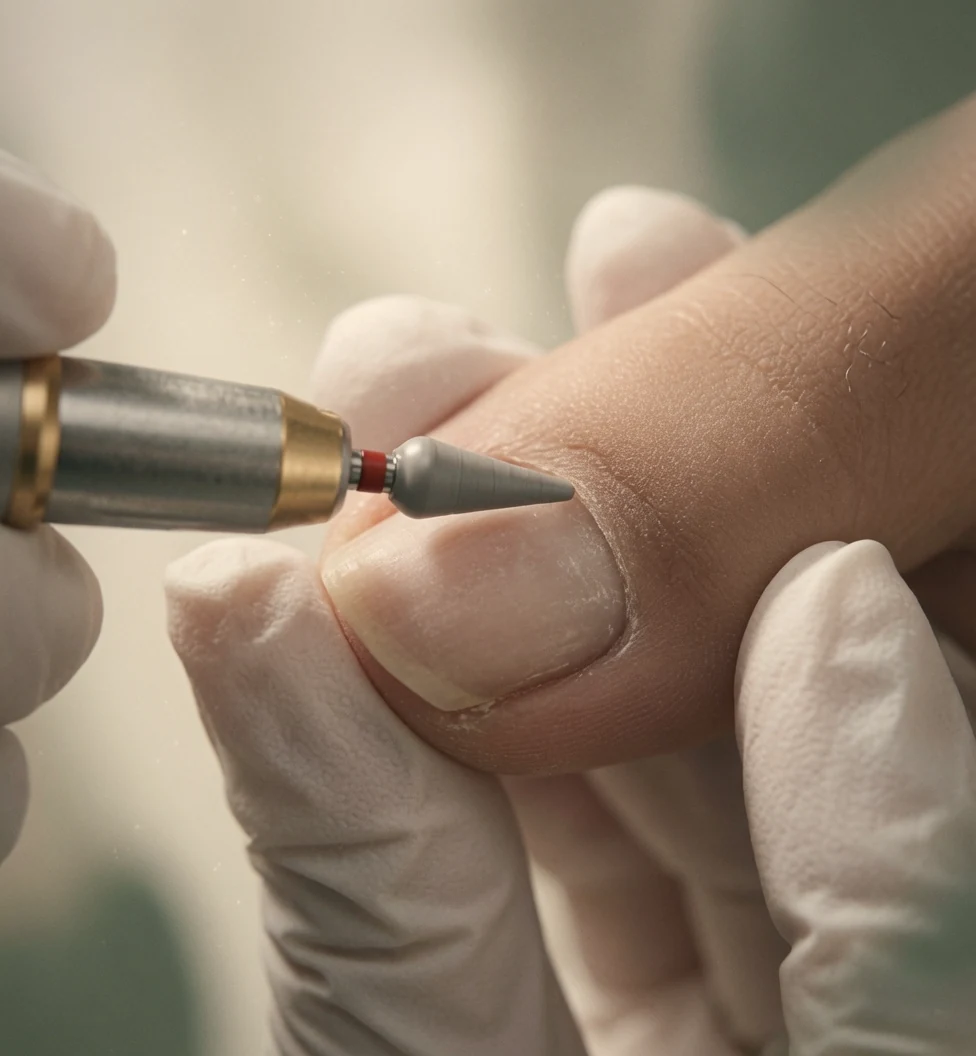
Choosing the right nail nipper is one of the fundamental decisions in podiatric practice. Jaws that are too short, a joint that is too weak, or the wrong jaw profile leads to imprecise cuts, increased force requirements, and premature instrument wear. This guide explains the available nipper types, how to distinguish them, and which instrument is appropriate for each indication.
The Most Important Nipper Types in Podiatry
Universal Nail Nipper (Standard Nipper)
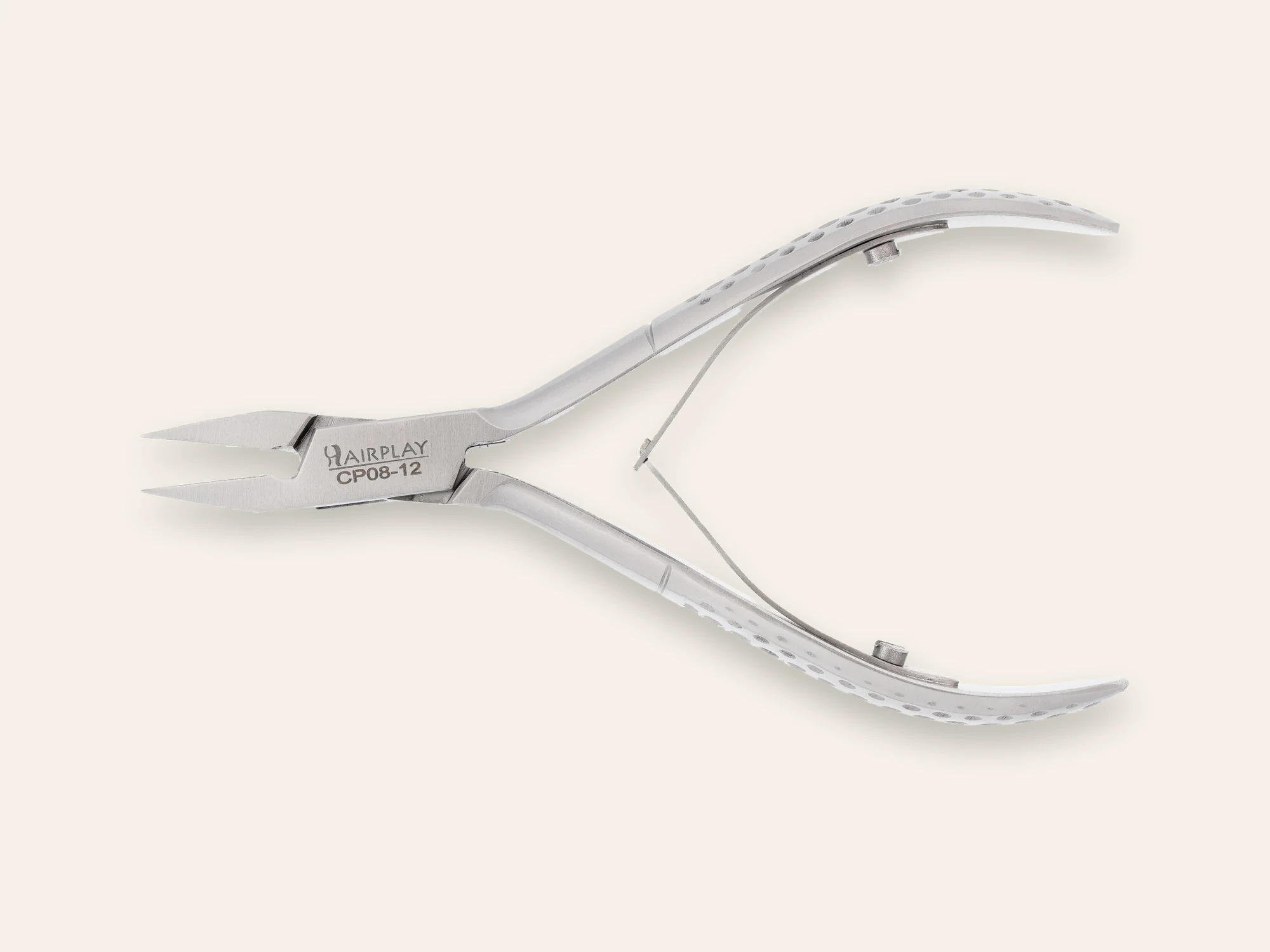
The classic toenail nipper is the most frequently used instrument in foot care. It covers the majority of daily cutting tasks: normal to slightly thickened nails, care treatments, routine work.
Typical parameters:
- Length: 10–14 cm
- Jaws: straight, slightly concave
- Joint: precision joint with defined travel
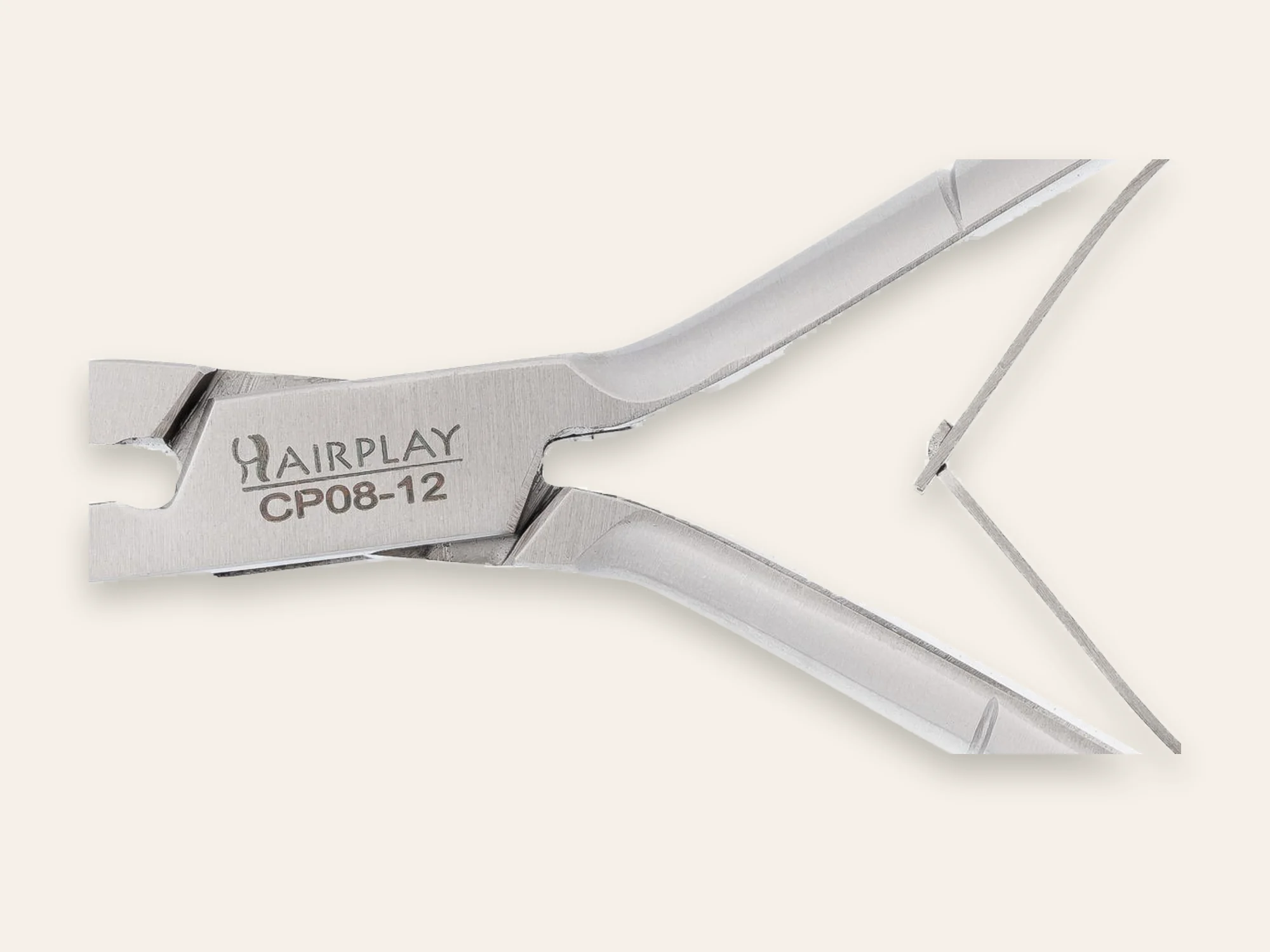
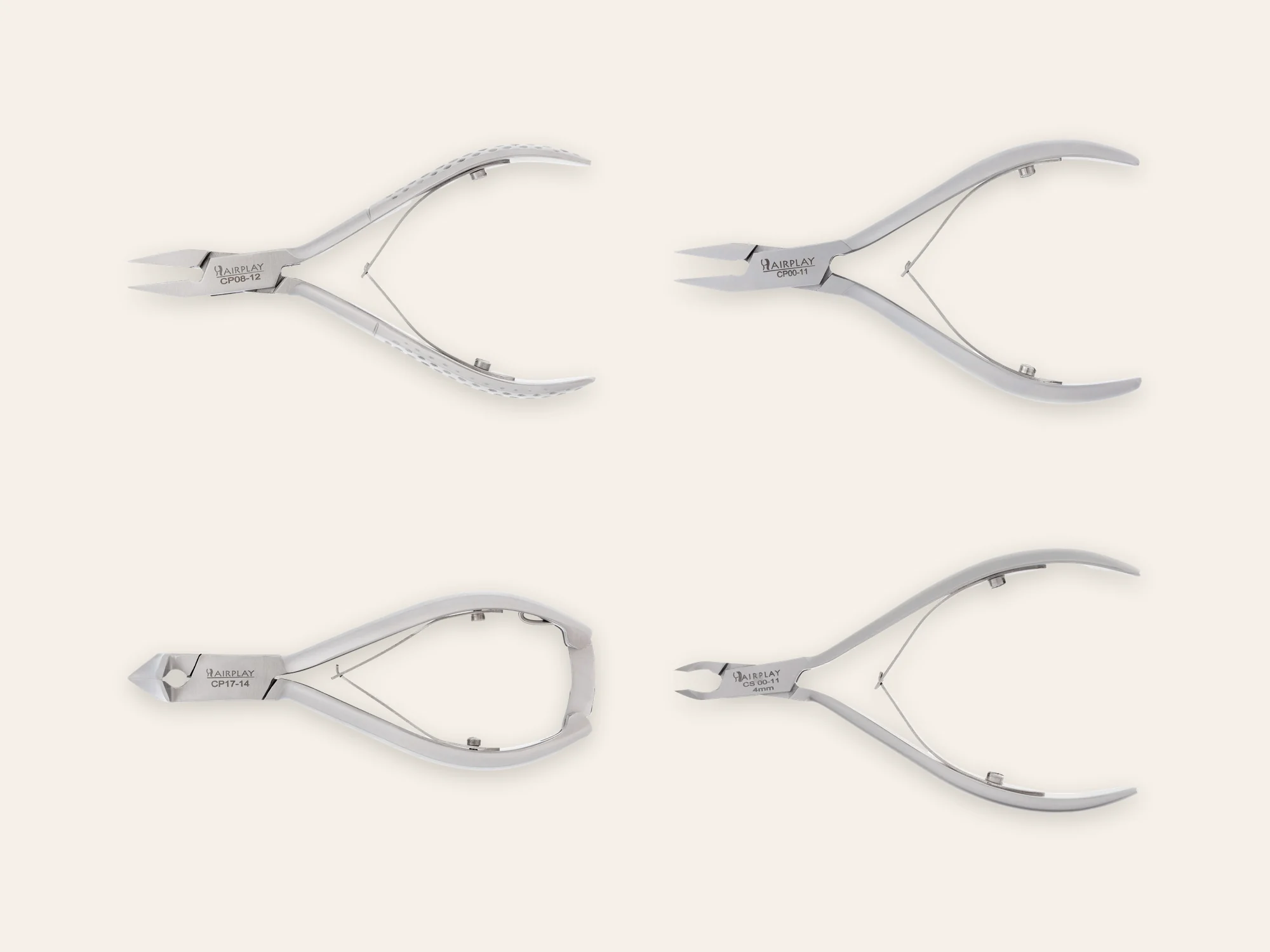
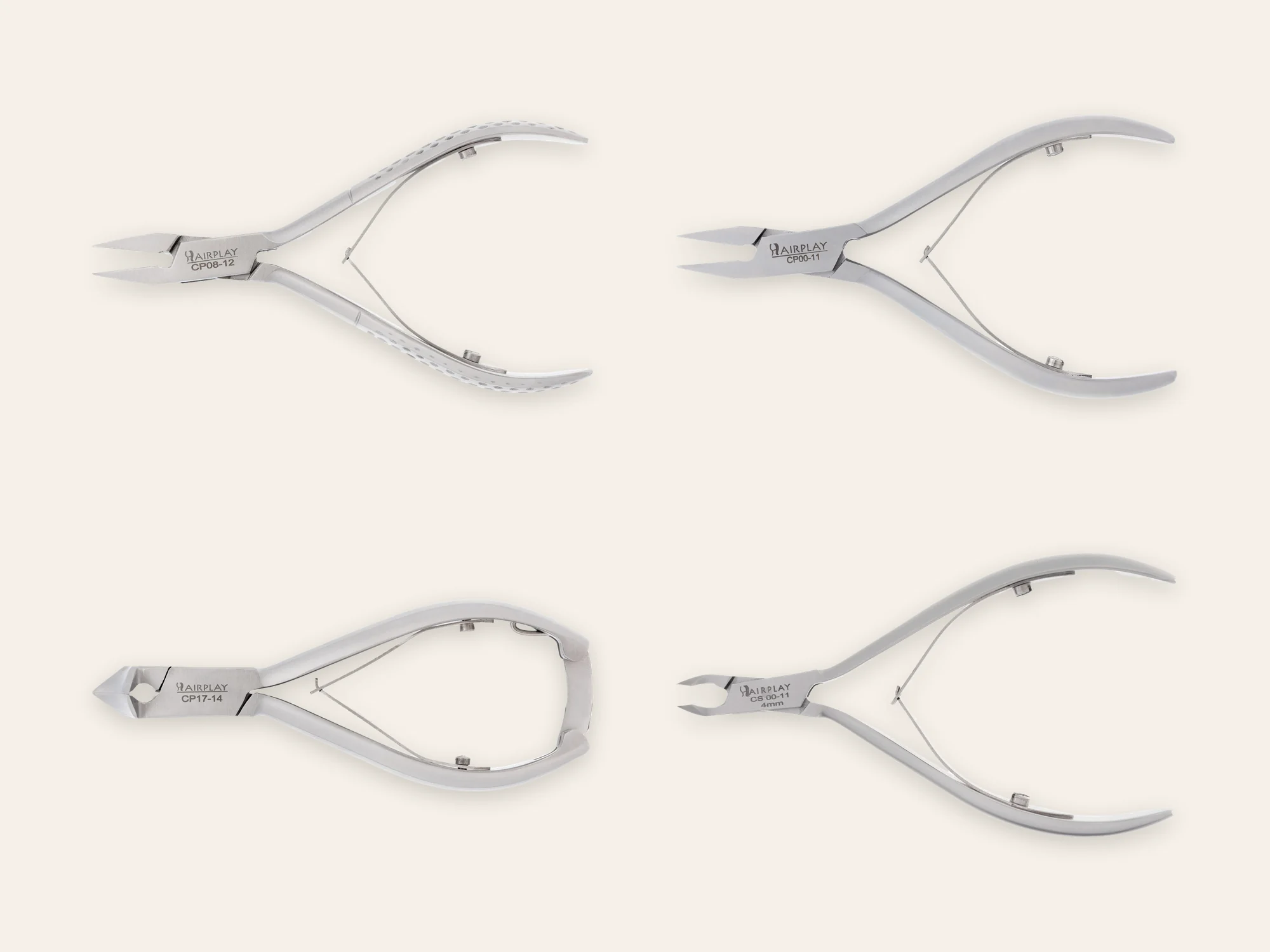
The Nail Nipper CP 08-12 (12 cm) is the standard instrument for everyday practice — robust, precise, autoclavable. For practitioners with smaller hands, or for fine nail work, the compact variant CP 05-10 (10 cm) offers greater control.
Geriatric Nail Nipper for Thick Nails
With elderly patients, severely mycotic, or gryphotic nails, standard nippers fail: the joint cannot withstand the cutting pressure, the jaws bend, and the nail splits instead of being cleanly severed.
These indications require a reinforced nail nipper with:
- Length of 14 cm (more leverage)
- Solid, hardened joint
- Robust, reinforced jaws
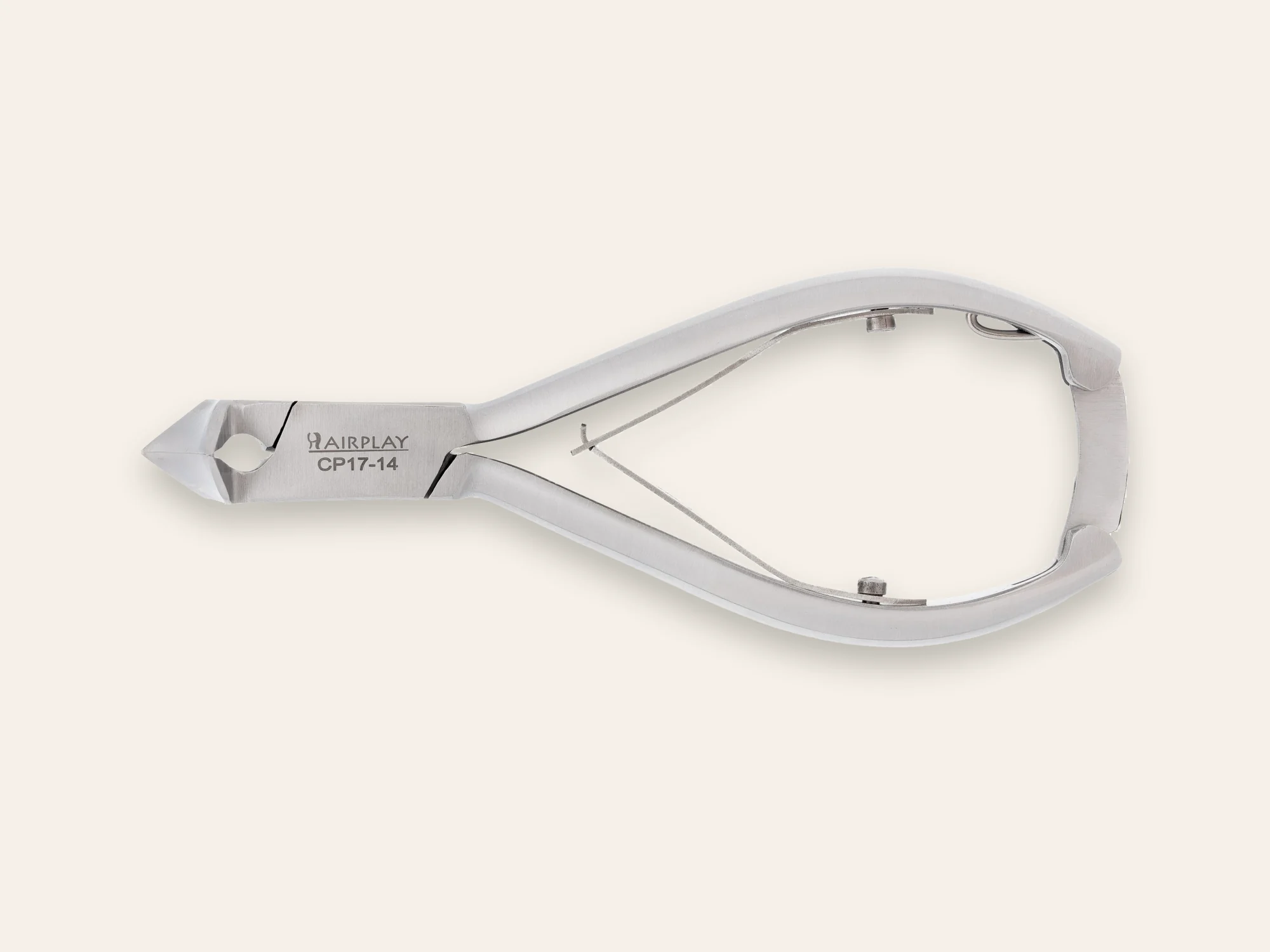
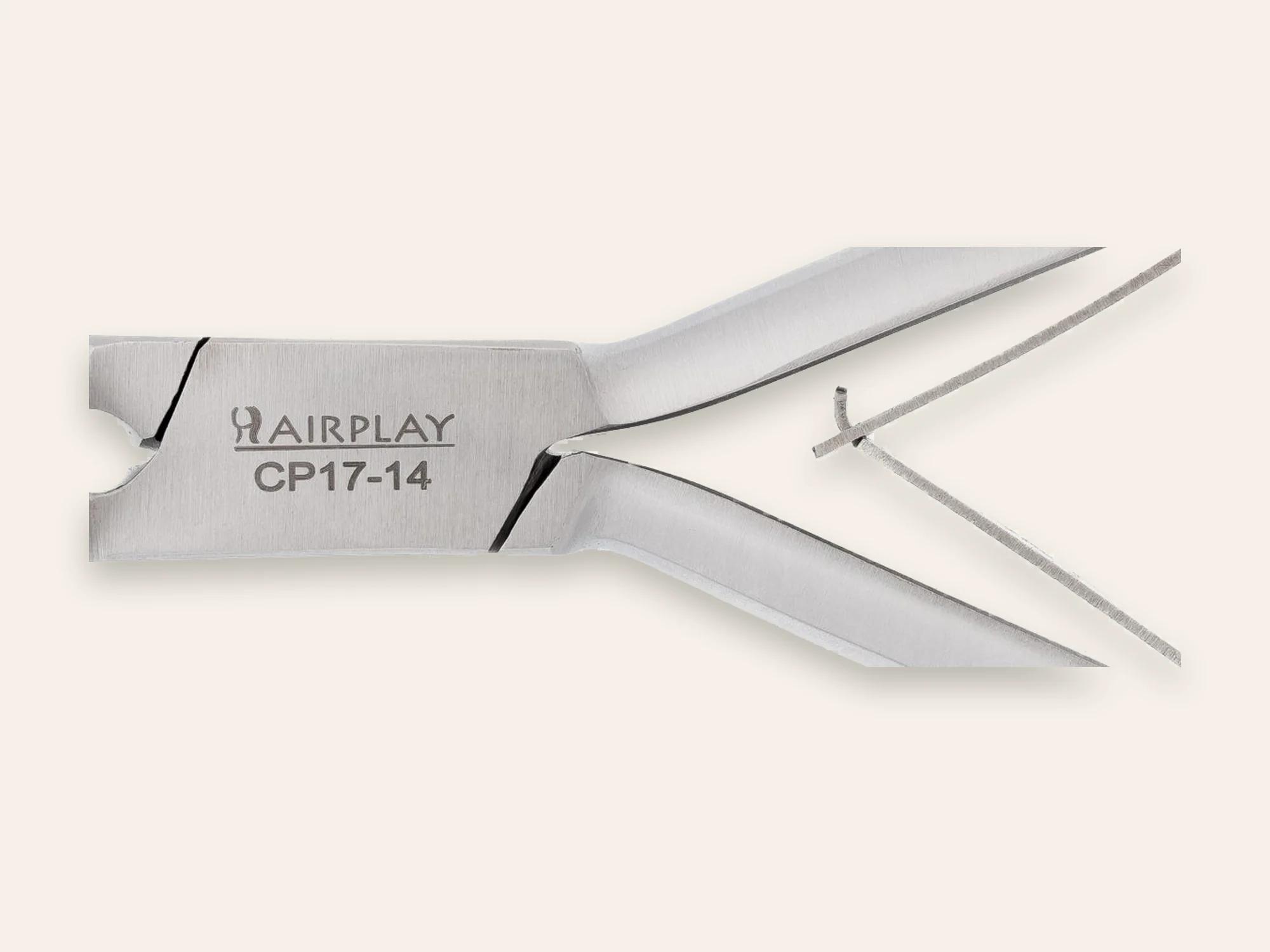
The Nail Nipper CP 17-14 was specifically developed for thick, dry, and mycotic nails. 14 cm length means maximum leverage at minimum force — particularly important in geriatric patients where practitioner muscle fatigue can lead to imprecise cuts.
Rule of thumb: If a nail nipper requires more than 60–70% of maximum grip strength, it is not strong enough for the indication. Choose a longer or reinforced nipper — not more force.
Corner Nipper (Side Nipper) for Ingrown Toenails
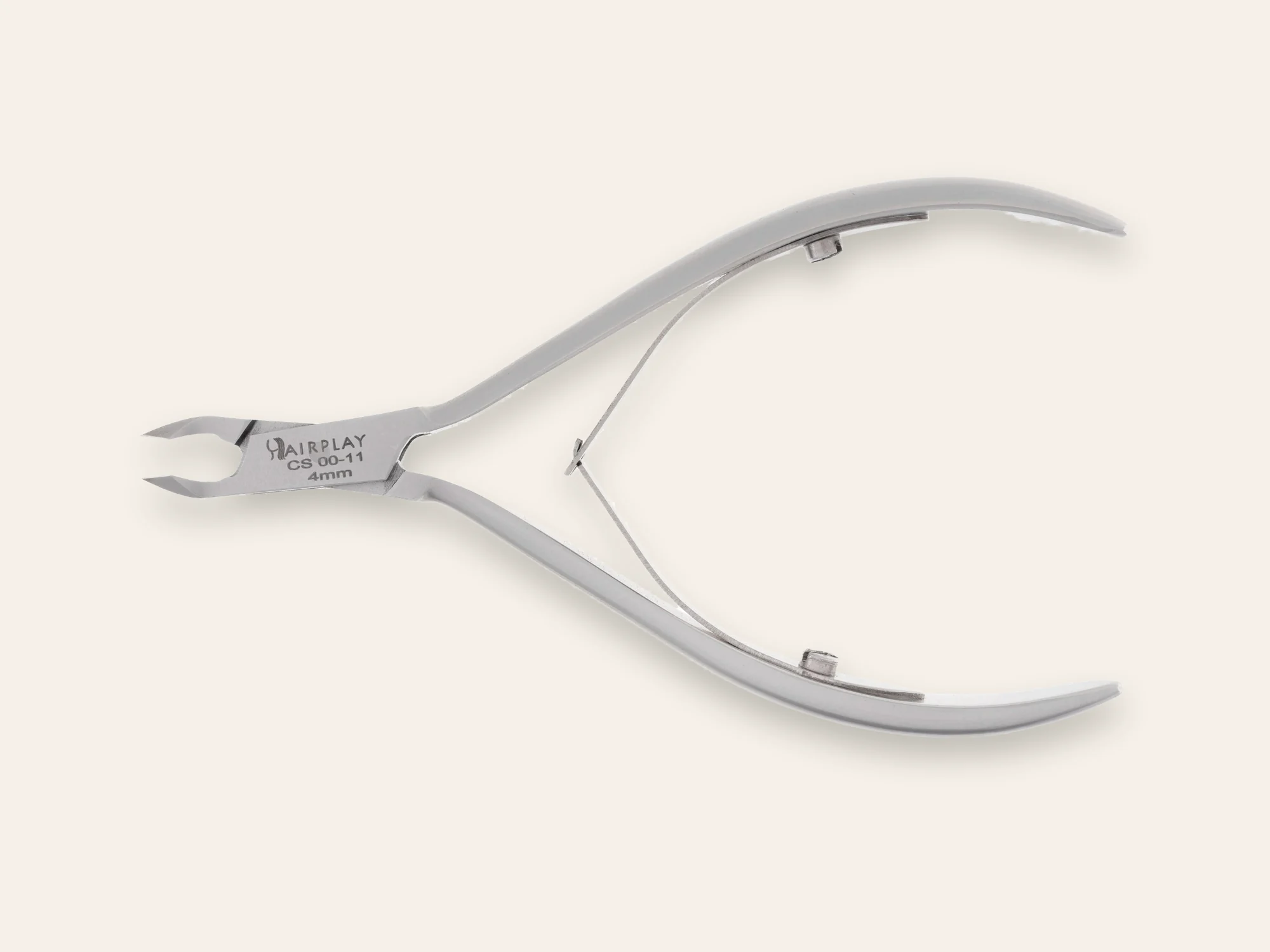
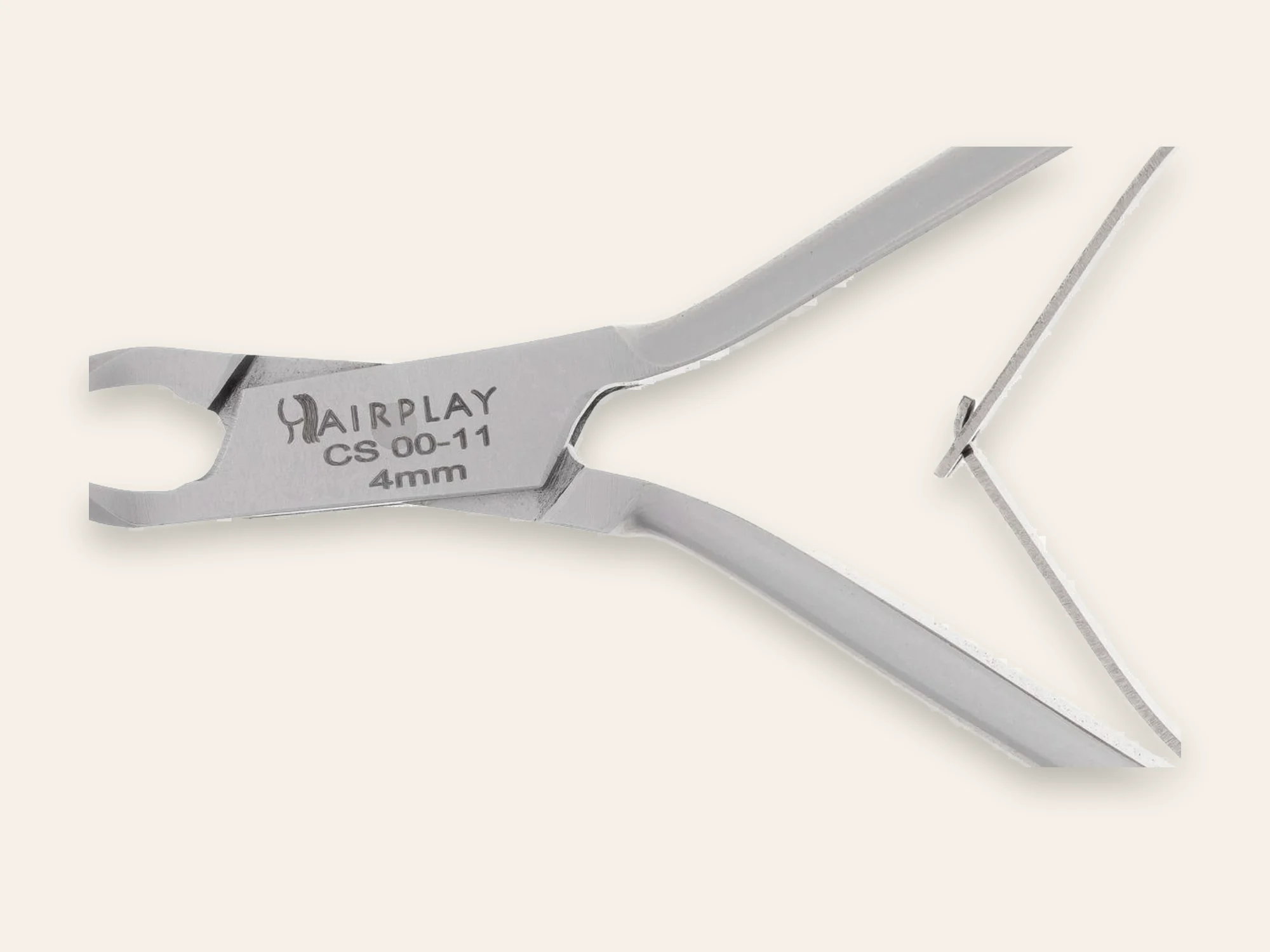
The corner nipper, also called a side nipper, has narrow, pointed, or slightly curved jaws. Its function is intervention in the nail fold: trimming ingrown nail edges, freeing deeply situated nail corners.
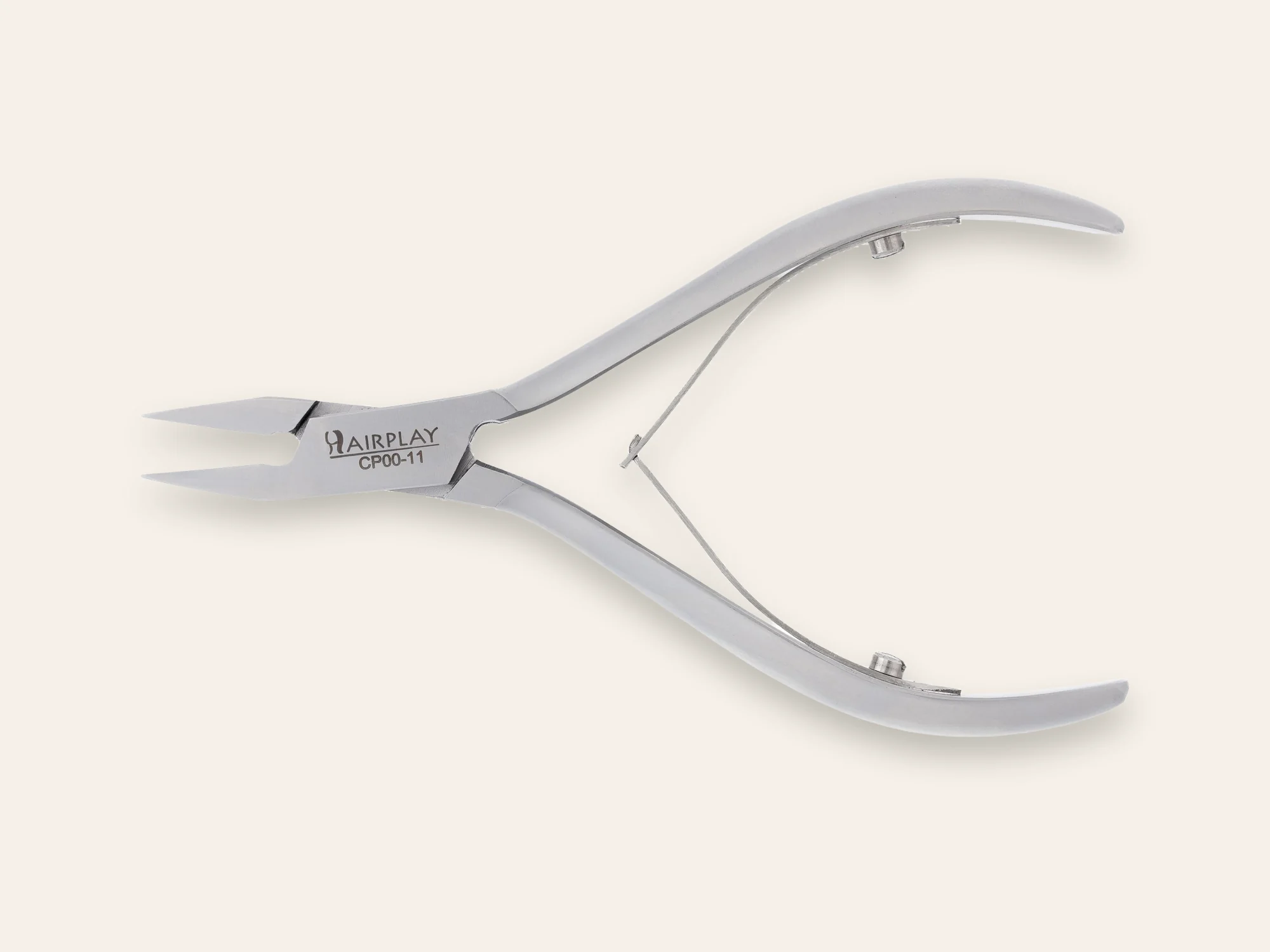
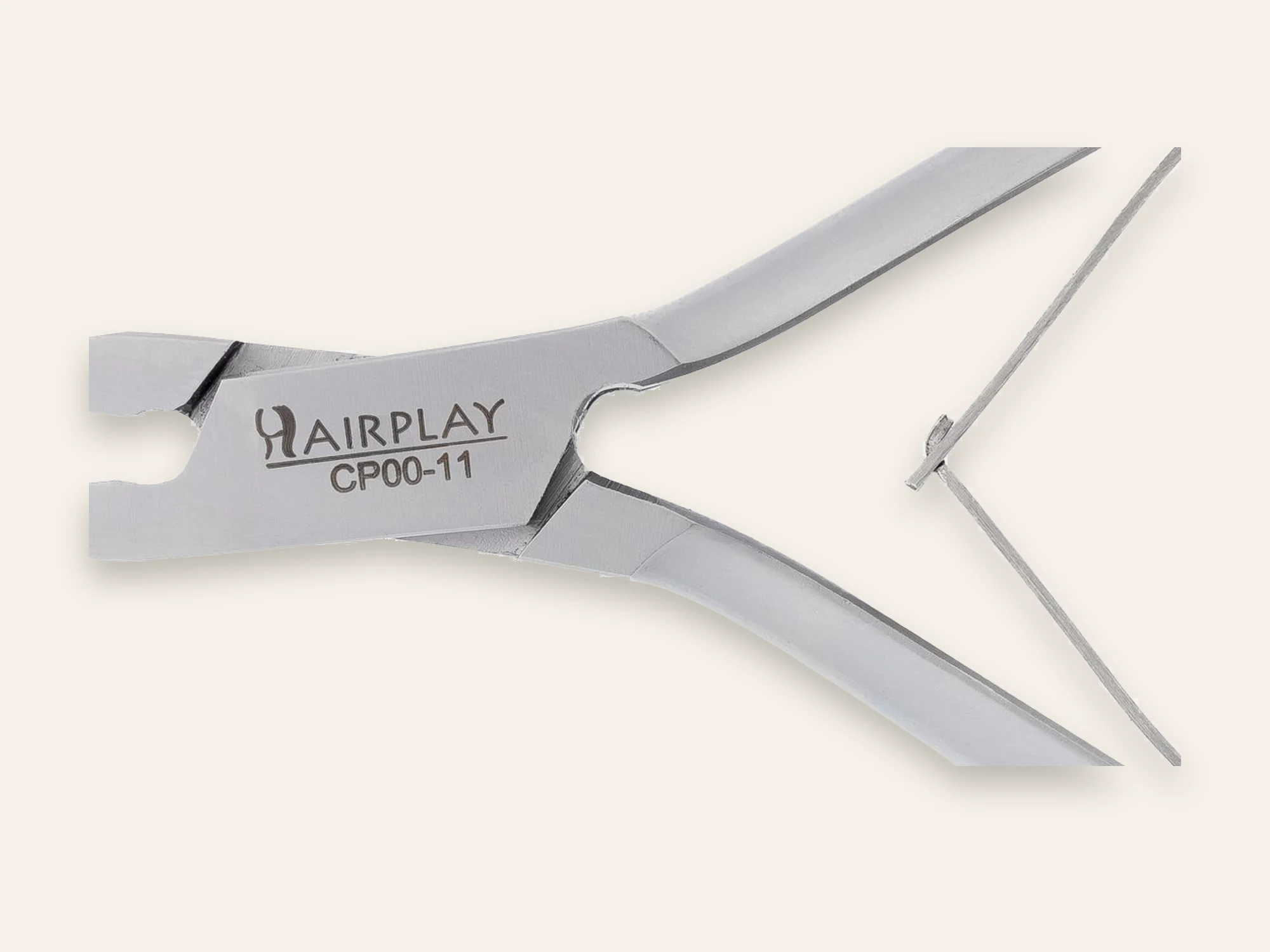
The jaw geometry is decisive here: jaws that are too wide become wedged in the nail fold; jaws that are too short fail to reach the nail corner. The Side Nipper CP 00-11 has narrow jaws for precise access to the ingrown nail edge — at 11 cm, compact enough for controlled hand guidance without the weight of the instrument interfering with fine-motor work.
For onychoorthosis aftercare (wire or brace already applied), the corner nipper is also used to correct ongoing nail growth. It complements the onychoorthosis instruments of the ND series in every professional treatment protocol.
Callus Nipper / Cuticle Nipper (CS Type)
Technically, the callus nipper differs from the nail nipper by its round jaws: rather than cutting straight, they grip concentrically around hyperkeratoses, nail cuticle, and callus. The CS profile allows precise nipping without crushing the surrounding skin.
The Callus Nipper CS 00-10 is one of Celniv’s bestsellers — sharp round jaws, surgical steel, 10 cm. The construction is qualitatively comparable to Ruck or Bähr instruments, but priced approximately 30% lower.
For cuticle work in cosmetics or supplementary foot care, the Cuticle Nipper CS 04-10 is a lighter alternative.
What Matters When Purchasing
Material: Surgical Steel is the Standard — but Not All Surgical Steel is Equal
Good podiatry nippers are made from stainless surgical steel (grade 420 or 440C). Key considerations:
- Hardness: HRC 54–58 (too soft = dulls quickly; too hard = brittle)
- Corrosion resistance: resistance to sterilization agents and autoclave (134 °C)
- Surface finish: matte or satin (no high-gloss chrome plating that conceals cracks)
Instruments without provenance information and CE documentation are not suitable for professional use — regardless of price.
Length and Leverage
| Length | Typical application |
|---|---|
| 10 cm | Fine work, cuticle, sensitive nails |
| 11–12 cm | Universal, standard podiatry |
| 14–16 cm | Thick nails, geriatric, gryphotic nails |
Joint and Spring
A precision joint (ground, play-free joint) is important for reproducible cuts. Budget nippers often have cast joints with play — this leads to lateral offset during cutting. Joints with an integrated spring (return spring) reduce hand fatigue during long treatment sessions.
Autoclavability
All instruments with patient contact must be sterilizable at 134 °C in a pre-vacuum autoclave. This is mandatory in Germany for approved podiatric practices (per RKI recommendations for podiatry practices). Always check the manufacturer’s specifications regarding temperature resistance when purchasing.
Recommendation: Basic Nail Nipper Setup
The following selection covers all routine applications in a well-equipped podiatric practice:
- 1 × Standard nail nipper (CP 08-12 or CP 05-10) — universal nail work
- 1 × Geriatric nail nipper (CP 17-14) — thickened, mycotic nails
- 1 × Corner nipper (CP 00-11) — ingrown toenails, nail fold
- 1 × Callus nipper (CS 00-10) — nail cuticle, callus, hyperkeratoses
All four instruments are available in the Nail Nipper Pro Set — surgical steel, autoclavable, with approximately 12% savings compared to individual purchase.
Maintenance and Service Life
Properly maintained, high-quality podiatry nippers last 5–10 years in clinical use. Key rules:
- After each treatment: clean with enzymatic solution or ultrasonic cleaner
- Before autoclaving: dry thoroughly (no rust from residual water in the joint)
- After autoclaving: one drop of instrument oil into the joint
- Regular joint check: no play, no corrosion spots
A nipper that rattles, grinds, or springs unevenly is no longer precise — and should be replaced even if it still looks acceptable externally.