Podiatrists
Podiatry Probe: Correct Use for Diagnosis and Nail Sulcus Care
Podiatry probe correct use: nail sulcus cleaning, nail diagnosis and corn probing explained — indications, technique and hygiene requirements for professional podiatrists.
June 17, 2026
The podiatry probe is one of the most underestimated instruments in clinical practice. Compared with burrs, nippers, and nail bracing instruments that perform visible actions, the probe appears unassuming — yet it is the primary diagnostic instrument used in every thorough podiatric treatment.
What is a Podiatry Probe and What Types Exist?
A podiatry probe is a slim, pen-shaped instrument made of surgical steel with specialised working tips, used for inspection, exploration, and cleaning of the nail fold, the underside of the nail, and skin lesions.
Key types:
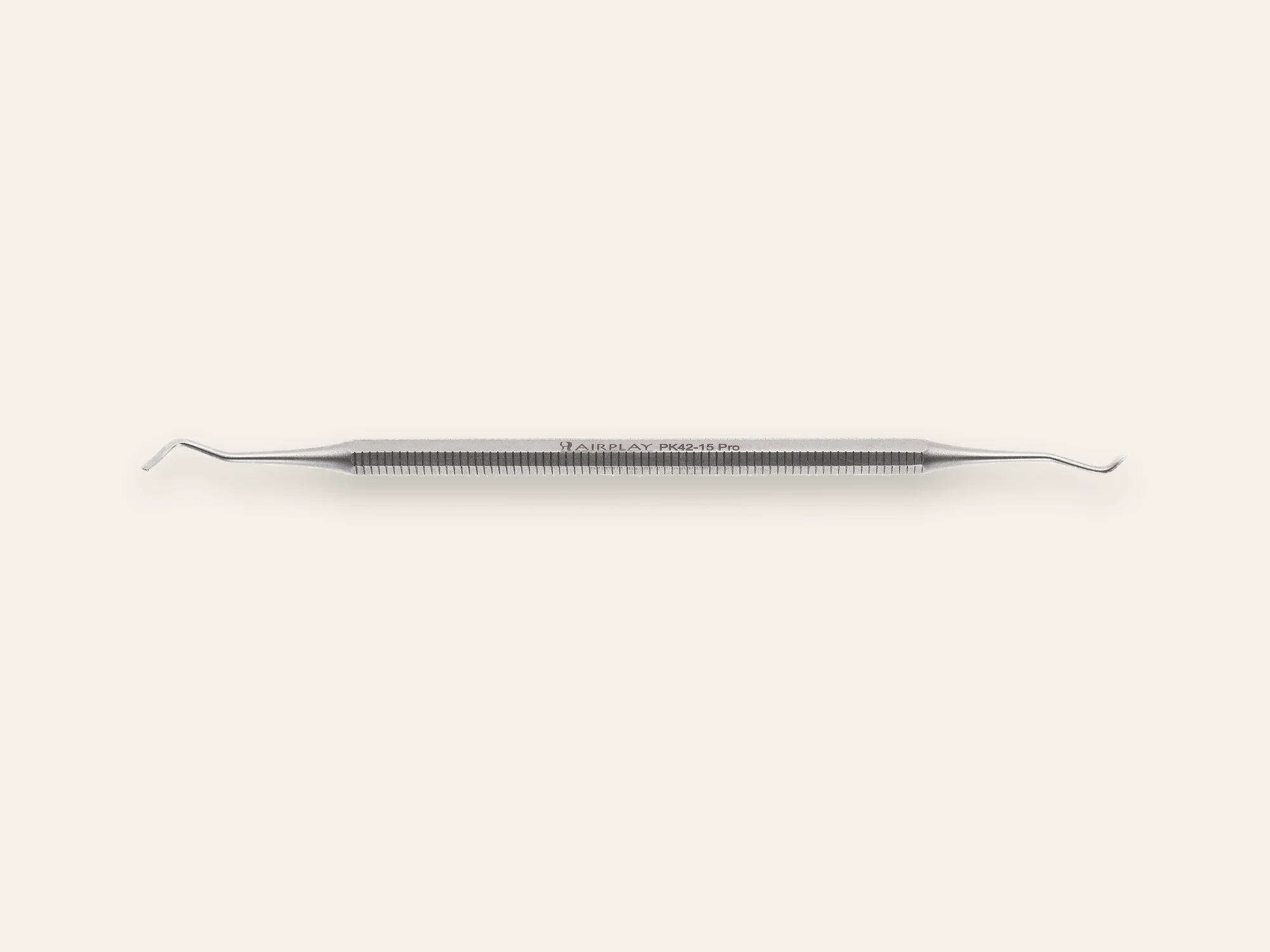
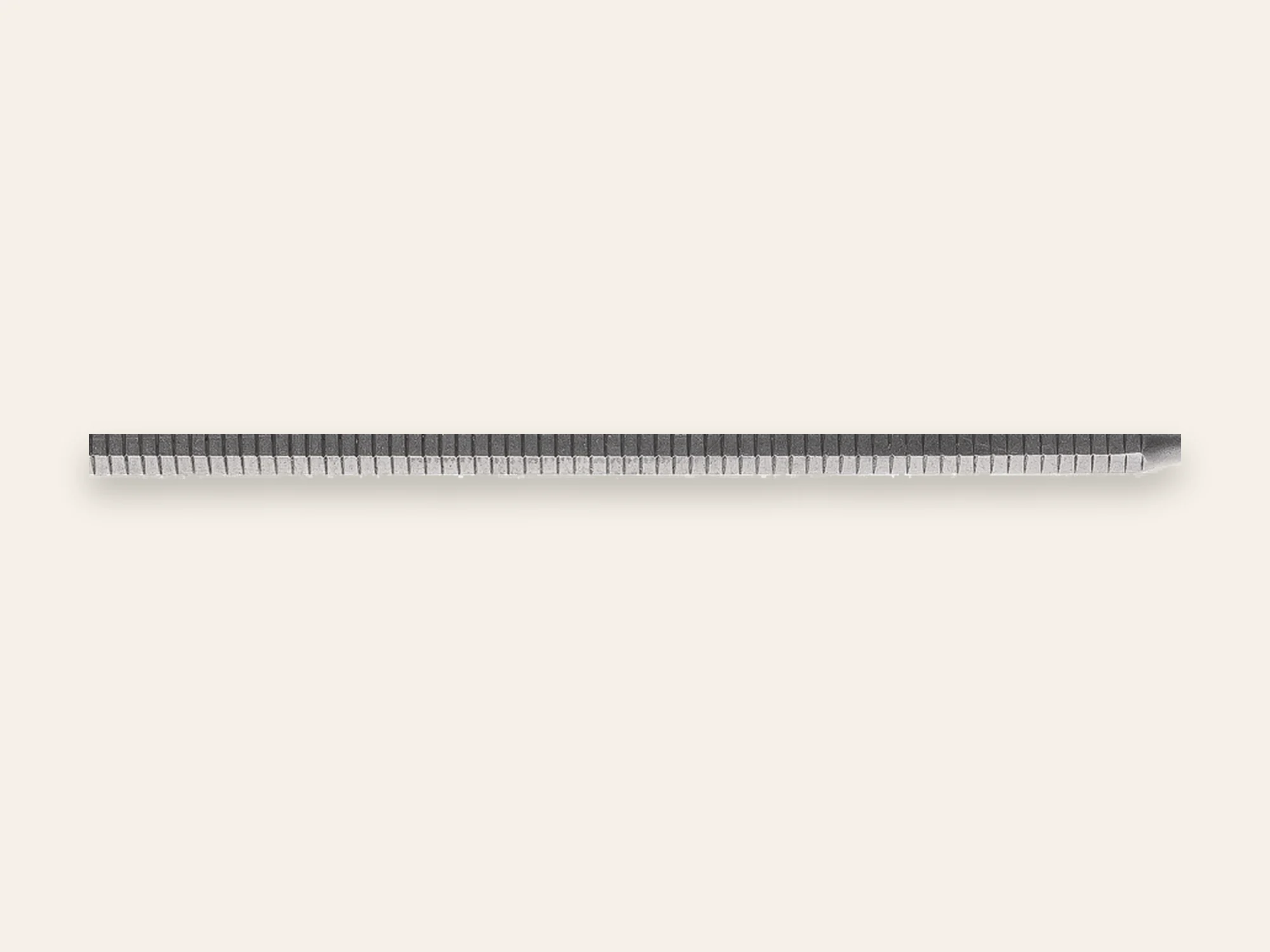
Double-ended probe: Two different working ends on one instrument — typically a combination of a straight exploration tip and a curved or flat cleaning tip. The Podiatry Probe PK 42-15 PRO is a double-ended instrument (15 cm) made of surgical steel, autoclavable, combining both basic functions in a single handle.
Single probe (straight): For linear exploration, e.g., in straight nail folds.
Hook probe: Curved end for access beneath the nail plate.
Applications: What the Probe is Used For
1. Nail Sulcus Cleaning
The sulcus unguicularis (nail groove) accumulates callus scales, debris, and moisture — an ideal environment for infection. Regular cleaning of the sulcus is part of every professional foot care treatment.
Technique:
- Insert the probe with the flat or curved tip carefully into the sulcus — no force, gliding motion
- Guide debris in strokes distally (toward the nail end)
- Do not push beneath the nail edge — avoid traumatising the hyponychium
- Clean the nail fold on both sides (medial and lateral)
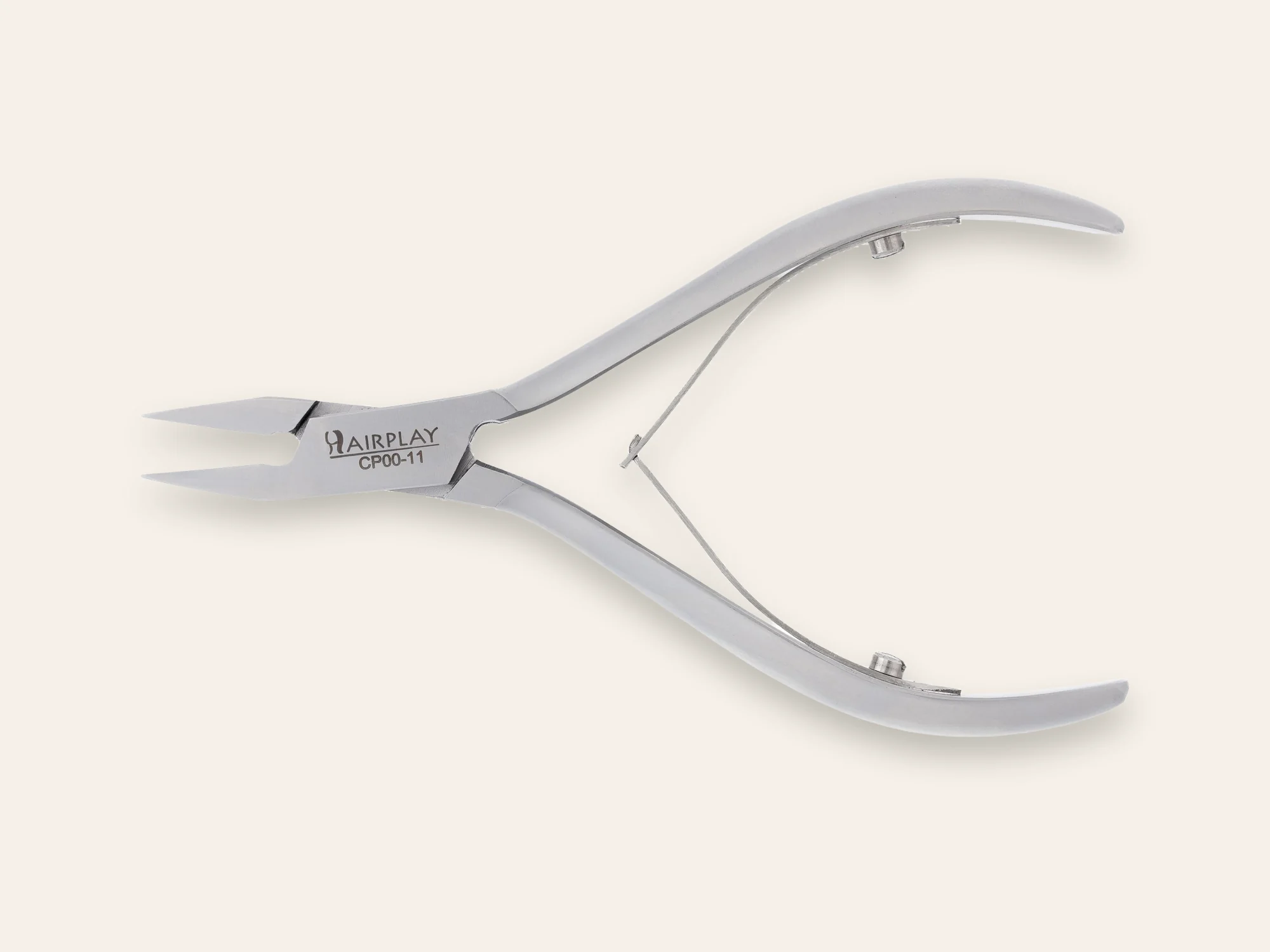
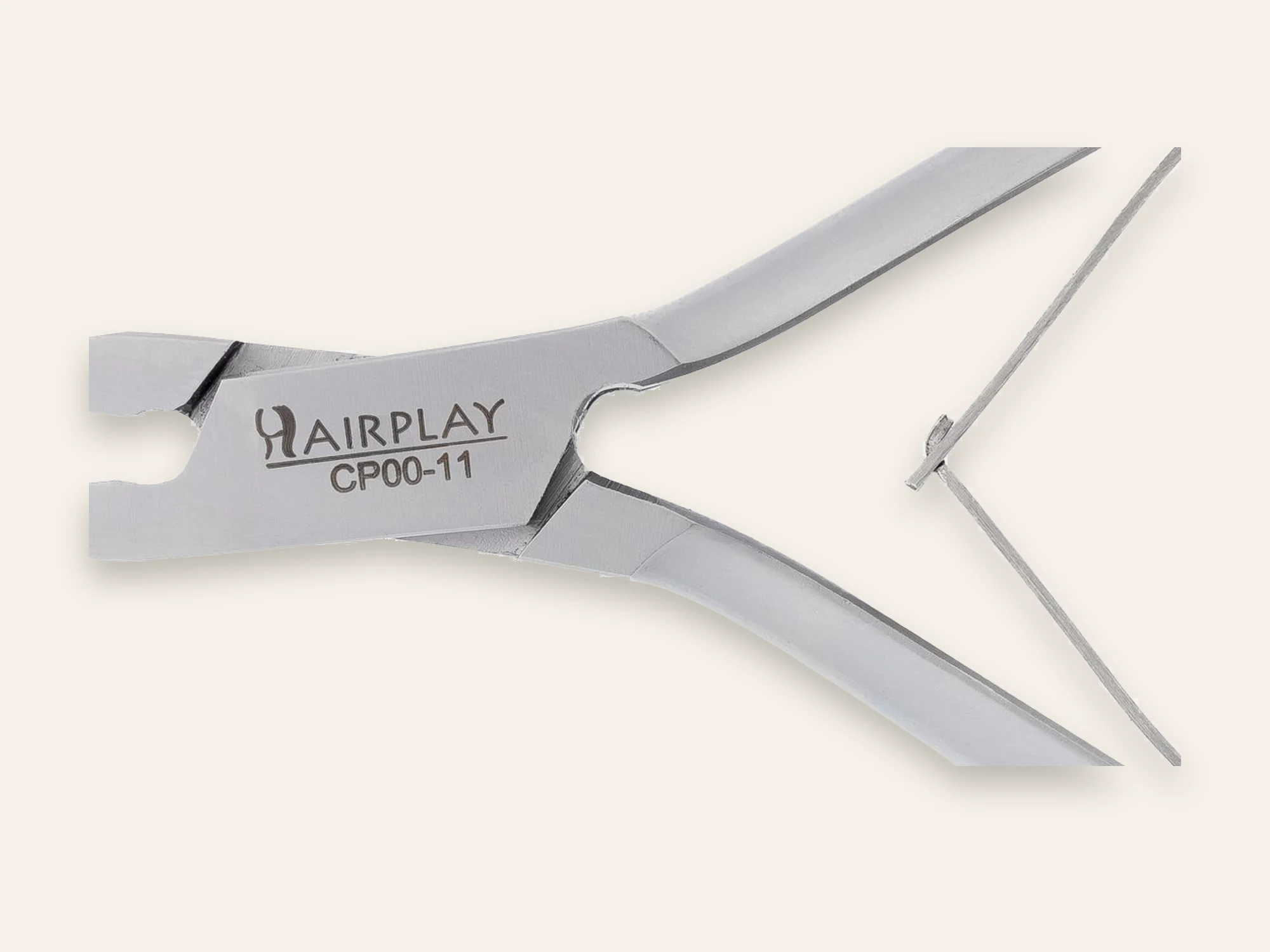
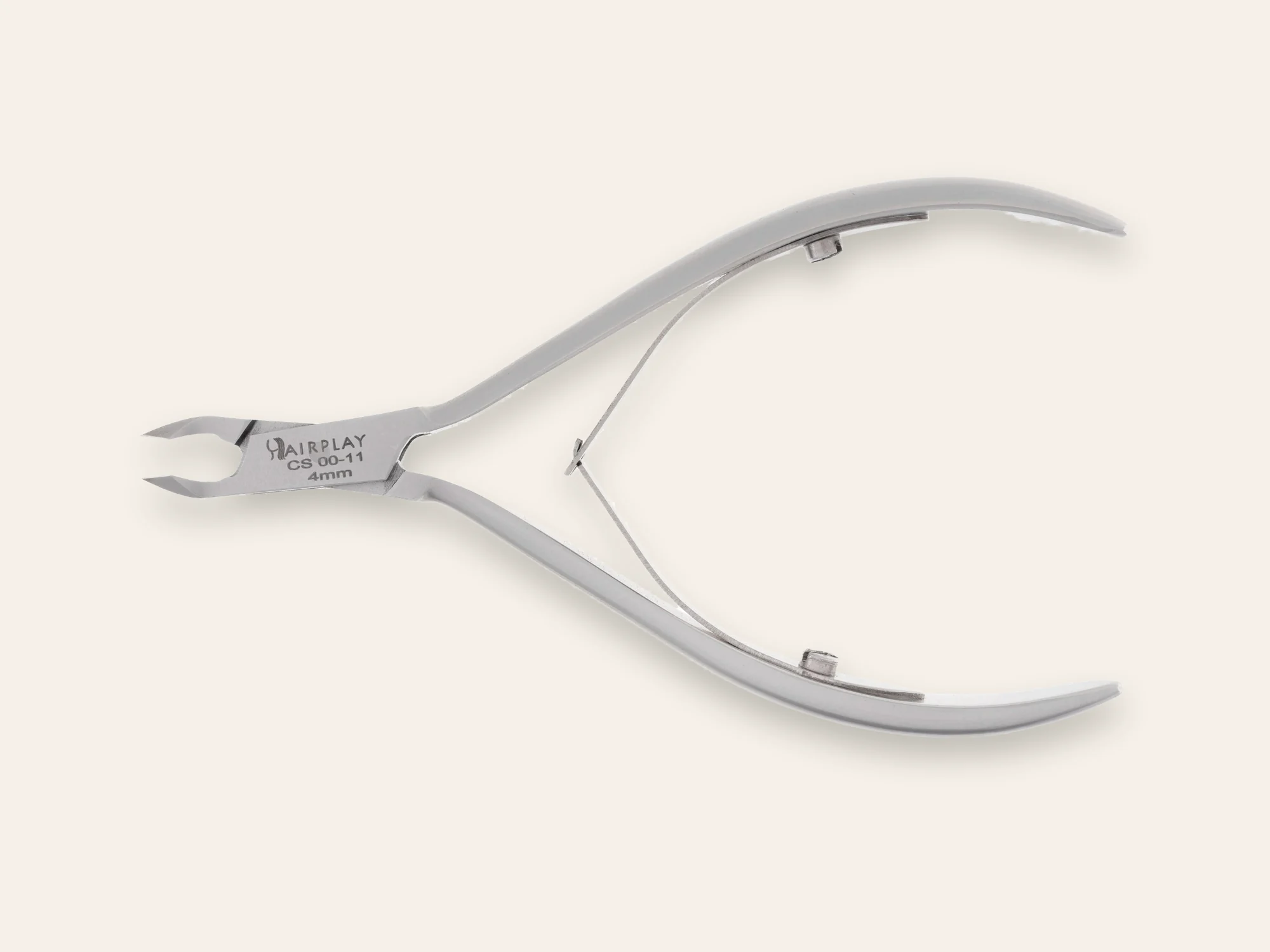
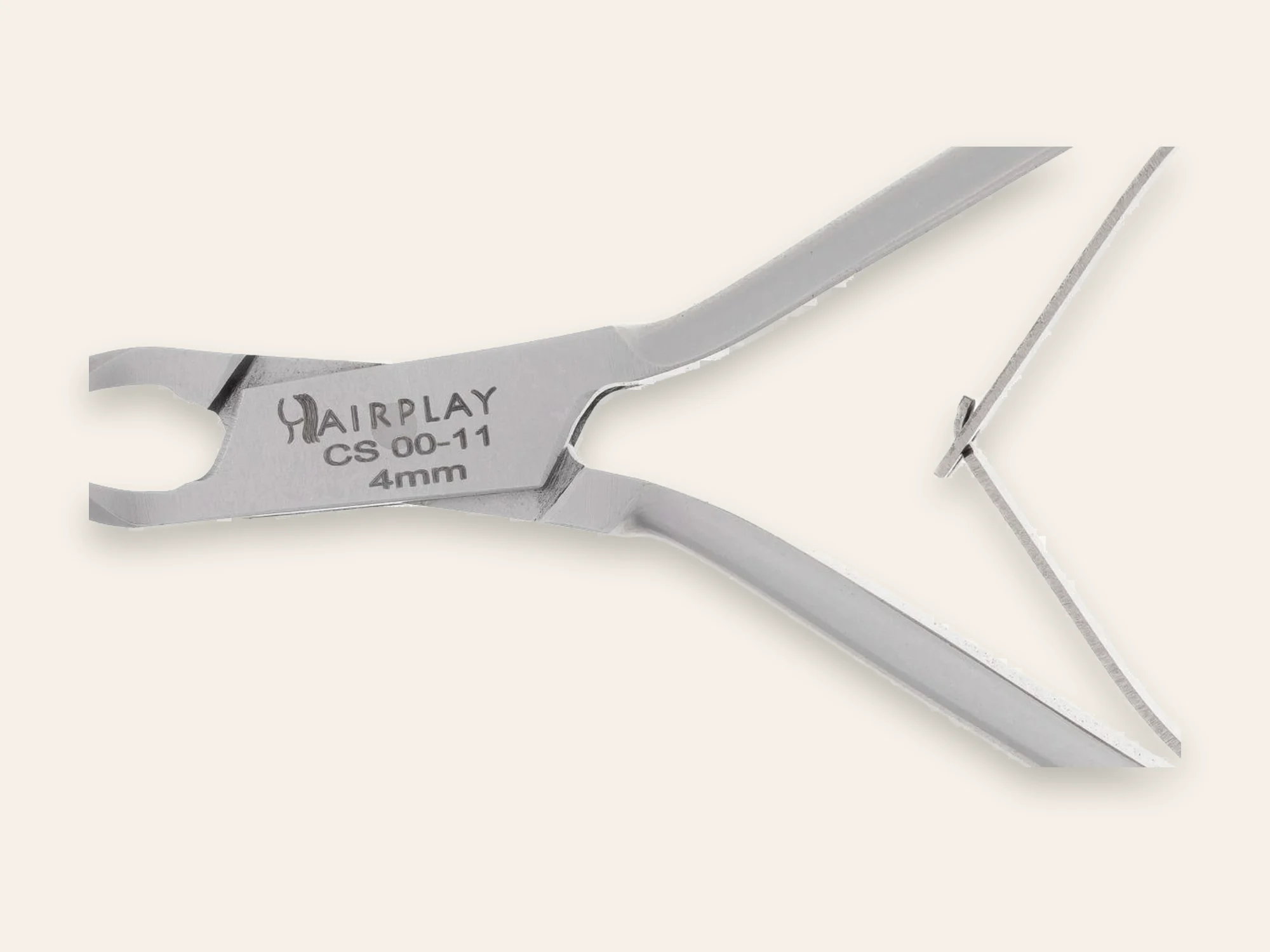
In cases of severely ingrown nail edges with a fully closed sulcus: first free the nail edge with the Corner Nipper CP 00-11, then perform probe cleaning.
2. Nail Diagnostics
Before treatment — particularly with unclear nail changes — the probe provides valuable information:
Nail plate adhesion check: Carefully insert the probe beneath the distal nail edge. If the plate separates easily from the nail bed (onycholysis), this indicates mycosis or trauma. Document the degree of onycholysis.
Depth assessment for clavus (corn): Place the probe gently on the nucleus and apply light pressure. The patient’s pain response indicates the clinical depth — this helps determine how deep to burr.
Foreign body suspicion: For pain without visible cause, the probe can locate small foreign bodies (splinters, insole residue) in the sulcus.
Granulation tissue assessment: For ingrown toenails with tissue proliferation: use the probe to delineate the granulation tissue from the healthy nail fold — determines the scope of treatment and whether physician referral is needed.
3. Diagnostics in Hyperkeratoses
For flat hyperkeratosis (callus, corn), the probe shows the boundary between hyperkeratotic and normal tissue — important for delineating the burrwork zone.
For suspected subungual clavus (corn beneath the nail): guide the probe beneath the nail plate and locate the pain centre before burrwork begins.
4. Detection of Nail Mycosis
A clinical sign of onychomycosis is the crumbling and hollowness of the nail plate. The probe detects this: under pressure on the nail plate it yields (cavity from the fungus), and the tip becomes yellowish (nail powder adherence). This is not a substitute for mycological laboratory diagnostics — but a rapid indicator before treatment.
Technique: Correct Guidance and Using Tactile Feedback
The probe is not a lever and not a scraper — it is a tactile amplifier. Used correctly, it provides information through tactile feedback (resistance, depth, softness) about structures that the eye cannot see.
Ground rules:
- Never apply force — the probe glides, it is not pressed
- Movement always controlled, slow, with full visual attention
- If the patient reacts with pain: stop immediately, check depth and direction
- Double-ended probe: use each end for different tasks — never have both ends in contact with tissue simultaneously
Hygiene and Reprocessing
The probe has direct contact with skin, nails, and wound tissue — it is a critical medical device and must be fully reprocessed after every use:
- Pre-clean in enzymatic solution (15–30 minutes), mechanical cleaning of the tips
- Instrument disinfection per VAH compendium
- Autoclave: 134 °C, pre-vacuum (Class B autoclave), minimum 3 minutes holding phase
- Store packaged in sterilization pouches
The PK 42-15 PRO is made from surgical steel and specified for autoclave use at 134 °C. Complete reprocessing routine: Podiatry Instruments: Correct Cleaning & Sterilization.
The Probe in the Treatment Workflow
| Treatment step | Probe function |
|---|---|
| Before treatment | Nail diagnostics, corn depth, onycholysis grade |
| Nail fold treatment | Sulcus cleaning before and after nipper use |
| Corn probing | Locate nucleus, determine depth |
| Post-check | Inspect sulcus for debris after nail brace application |
A well-guided probe at the start of treatment saves time during the actual procedure — it prevents blind burrwork and provides the information needed for precise instrument selection and depth control.